Disclaimer: As an Amazon Associate I earn from qualifying purchases from our site. Thank you for your support!
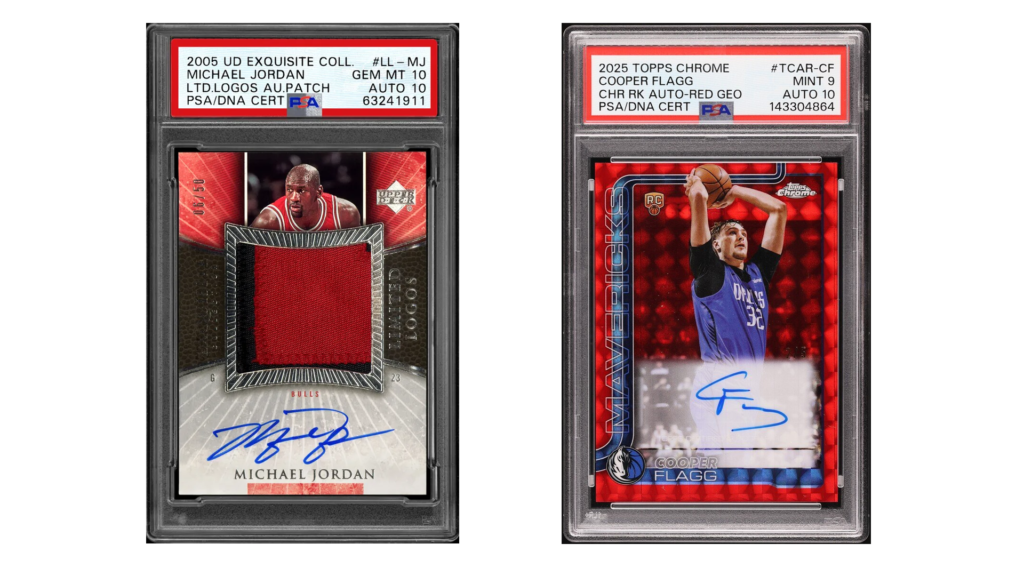
The $12.6 million 1952 Mickey Mantle card sale grabbed headlines worldwide. So did the $5.2 million LeBron James Triple Logoman. These record-breaking sales showcase sports cards as legitimate alternative investments alongside stocks, bonds, and real estate. But here’s the reality, most collectors won’t own seven-figure cards. What matters is whether strategic card investing can generate meaningful returns for everyday collectors.
I’ve seen the 2021 pandemic boom where prices tripled seemingly overnight. I rode the subsequent 2022 correction that wiped out 40-50% of peak values. I’ve made profitable flips and painful losses. Through it all, I’ve learned that sports card investing requires strategy, discipline, and realistic expectations, not lucky pulls or blind speculation.
The market projects to reach $49.3 billion by 2032, growing at 13% annually according to recent data. That growth attracts serious money, with billionaires like Jeff Bezos investing in cards. Hedge funds allocate portions of portfolios to rare cards. Mainstream financial outlets cover the market regularly. This legitimization creates opportunities for informed investors.
This comprehensive guide covers investment strategies for 2026 and beyond: market analysis, player evaluation frameworks, short-term versus long-term approaches, portfolio diversification, risk management, and exit strategies. Whether you’re investing $500 or $50,000, these principles apply. Let’s dive into smart card investing.
Understanding the Current Market: Where We Stand in 2026
The sports card market has matured significantly from the pandemic speculation frenzy. Understanding current dynamics helps you make informed investment decisions.
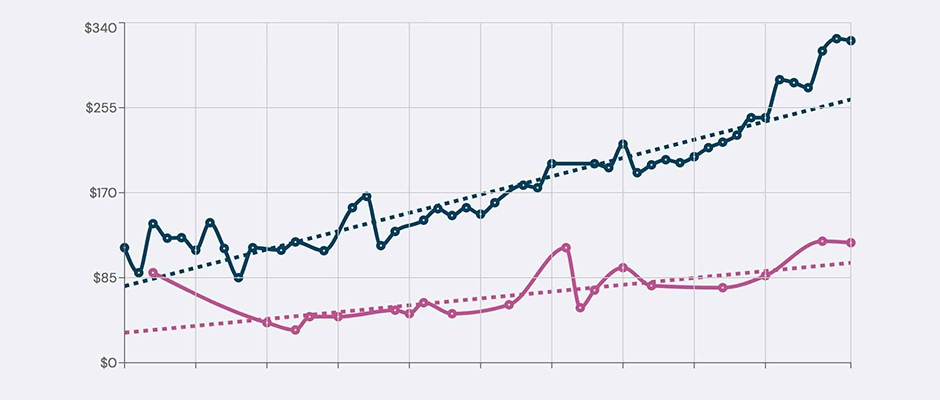
Market size and growth: The global trading card market exceeded US$3.7 billion in 2024, with projections to reach over US$49 billion by 2032. Basketball cards represent substantial portions of this growth. The sports trading card market specifically targets US$27.5 billion by 2033 according to some analyses. These figures indicate robust long-term growth trends despite short-term volatility.
Post-pandemic normalization: The 2020-2021 boom saw unprecedented price increases where some cards tripled or quadrupled in value within months. This bubble burst in 2022 as economic concerns, inflation, and market oversupply corrected prices by 30-50% from peaks. Current pricing feels more sustainable and rationally connected to underlying fundamentals.
I bought several cards at peak 2021 prices, I had rookie cards where I paid $300 for, now sell for $120-150. That stings. However, I also held quality cards that weathered corrections well, such as my graded vintage Michael Jordan cards maintained 80%+ of peak values. Market corrections separate speculative assets from genuine investments. Quality endures.
Grading volume indicators: In February 2025, PSA processed over 1.9 million cards, representing 25% year-over-year growth. Grading services collectively handled over 1.6 million cards monthly. This volume indicates sustained collector activity and confidence. When grading volumes crater, it signals market weakness. Current volumes suggest healthy activity.
Auction results provide market health indicators. Major auction houses like Goldin, Heritage, and PWCC continue posting strong results for premium cards. Seven-figure sales still occur for iconic cards. This high-end strength supports broader market health, when ultra-premium cards maintain values, it validates the asset class.
Retail availability normalized after pandemic shortages. You can actually find cards at Target and Walmart again. Online retailers maintain stock. This improved supply benefits collectors and reduces artificial scarcity driving unhealthy speculation.
Digital integration expands through platforms like NBA Top Shot, Fanatics Collect, and blockchain-verified physical cards. While some feared digital would cannibalize physical cards, both markets coexist and potentially complement each other. Digital exposure introduces new collectors who often cross into physical collecting.
Licensing changes create opportunities. Topps regaining NBA licensing for 2025-26 after 15 years creates historical moment, such as the first Topps NBA rookies since 2009. Collectors chase these rookie cards aggressively. Similarly, Panini maintaining Players Association rights without team logos creates interesting secondary market for their products. Understanding licensing dynamics reveals investment opportunities.
International growth accelerates. Basketball’s global popularity drives international collector demand. European, Asian, and Australian collectors increasingly participate, expanding buyer pools. This geographic diversification supports values, where more potential buyers mean stronger markets.
Market sentiment feels cautiously optimistic in early 2026. The speculation bubble burst, flippers exited, and serious collectors remain. This foundation feels healthier than bubble-peak euphoria. Sustainable markets build on collector passion, not get-rich-quick speculation.
Investment Frameworks: Short-Term vs. Long-Term Strategies
Successful card investing requires clear strategy. Short-term and long-term approaches serve different goals with different risk/reward profiles.
Short-term flipping involves buying cards and quickly reselling for profits. This strategy capitalizes on performance spikes, rookie hype, or market inefficiencies. When Cooper Flagg scored 40 points as an 18-year-old, his card values spiked immediately. Flippers buying beforehand profited.
Short-term advantages include quick capital turnover (your money isn’t locked up for years), ability to capitalize on momentum and hype, and reduced exposure to long-term player injury or performance decline risks. Flagg could hypothetically get injured next season, so flippers already profited and moved on.
Disadvantages are significant though. You’re constantly hunting deals, monitoring market movements, and executing trades, this is work, not passive investing. Transaction costs eat into profits such s eBay fees, PayPal fees, shipping costs compound quickly. Tax implications are harsh, where short-term gains are taxed as ordinary income (potentially 30-40%+ depending on brackets). You might miss massive long-term appreciation by exiting too early.
I flip occasionally when obvious opportunities arise. I bought several Victor Wembanyama rookies when he was drafted, flipped half after his strong rookie season for 50-75% profits, and held the rest long-term. This hybrid approach captured short-term gains while maintaining long-term exposure.
Long-term holding involves buying quality cards and holding for years or decades. This strategy bet on player careers, vintage card appreciation, and long-term market growth. Someone buying LeBron James 2003 rookies for $100-200 and holding 20 years now has cards worth $2,000-10,000+ depending on version and grade.
Long-term advantages include massive appreciation potential over decades, lower stress (no constant market monitoring), favorable tax treatment (long-term capital gains taxed at 0-20% vs 30-40%+ ordinary income), and compounding effects as player legacies solidify. Michael Jordan retired in 2003, but his cards continue appreciating as his legend grows.
Disadvantages include capital locked up for years (opportunity cost), exposure to player career disappointments or injuries, and market cycles potentially causing temporary value declines that test your conviction.
My portfolio is approximately 70% long-term holds and 30% shorter-term positions. Core holdings are graded rookie cards of established stars (LeBron, Curry, Giannis) and promising young stars (Wembanyama, Flagg). I buy quality, hold patiently, and only sell when valuations seem extended or I need capital for better opportunities.
Blended strategies work well for most investors. Hold core positions long-term while actively trading around edges. This captures short-term opportunities without abandoning long-term appreciation potential. It also maintains liquidity, you can access cash through short-term trades without liquidating core holdings.
Time horizon matters enormously. If you need money in 2-3 years, short-term approaches make sense. If you’re building wealth over 10-20 years, long-term holding of quality cards generates better after-tax returns. Match strategy to your time horizon and financial goals.
Player Evaluation: Identifying Investment-Worthy Athletes
Successful card investing requires evaluating players like stock analysts evaluate companies. Which players have cards worth investment?
Established superstars offer stability. LeBron James, Stephen Curry, and Kevin Durant cards have proven track records. These are “blue-chip” investments. They won’t 10x overnight but provide steady appreciation and strong liquidity. When markets correct, blue-chip cards hold value better than speculative rookies.
I maintain 40-50% of my portfolio in established star cards. They’re boring but reliable. During 2022’s correction, my LeBron cards dropped 15% while speculative rookie cards I owned tanked 60%+. Blue chips preserve capital during volatility.
Rookie evaluation is trickiest and most profitable when done well. You’re betting on 19-21 year-olds having Hall of Fame careers. Most rookies fail this standard, but correct picks generate enormous returns.
Key factors for rookie evaluation include draft position (top-3 picks historically produce better hit rates than mid-first-rounders), college/international performance (did they dominate? Show all-around skills?), team situation (joining good teams with development track records matters), physical tools (size, athleticism, length), skill profile (three-level scorers with defensive versatility age better than one-dimensional players), and intangibles (work ethic, basketball IQ, leadership).
Cooper Flagg checks many boxes, he was the #1 overall pick, dominated in college from day one, joined Dallas Mavericks (a good developmental situation), exceptional two-way skills, and reportedly elite work ethic. His rookie cards warrant investment consideration. Contrast this with fringe first-rounders with limited offensive games joining dysfunctional franchises, much riskier investments despite lower card prices.
Sophomore surge opportunities arise when players break out in year two after modest rookie seasons. Giannis Antetokounmpo wasn’t dominant as a rookie, but his rookie cards were affordable. His Year 2-3 emergence created massive ROI for early believers. Look for second-year players showing improvement with expanding roles.
Veteran value propositions exist for players entering prime years (25-29) with established track records but cards undervalued relative to production. Maybe they play in small markets (less media attention), or their play style isn’t flashy (doesn’t generate social media hype), or they’ve been injured limiting short-term values. If you believe in their talent and health outlook, their cards offer value.
International stars create interesting opportunities. Giannis, Luka Dončić, Nikola Jokić, and Joel Embiid show how international players can become NBA superstars. Victor Wembanyama exemplifies this trend. International prospects with unique tools and high ceilings warrant consideration, though scouting international talent requires more research.
Position scarcity affects long-term value. Historically, guards and wings with offensive versatility hold value best. Centers without perimeter games age poorly as the NBA evolves. Consider positional trends when evaluating long-term investments.
Off-court factors matter more than many realize. Players with strong personal brands, media presence, and endorsement deals maintain higher card values. LeBron’s business empire and global brand elevate his card values beyond pure basketball accomplishment. Curry’s likability and cultural impact do similarly. Consider marketability alongside performance.
Injury history is critical. Players with significant injury histories carry higher risk. One career-altering injury craters card values permanently. Young players with clean health records offer better risk/reward than injury-prone stars at equivalent prices.
I maintain a watchlist of 10-15 players across rookie, sophomore, and veteran categories. I research their performance, track card values, and buy opportunistically when prices dip or before breakout performances. This systematic approach beats emotional impulse buying.
Portfolio Construction: Diversification and Risk Management
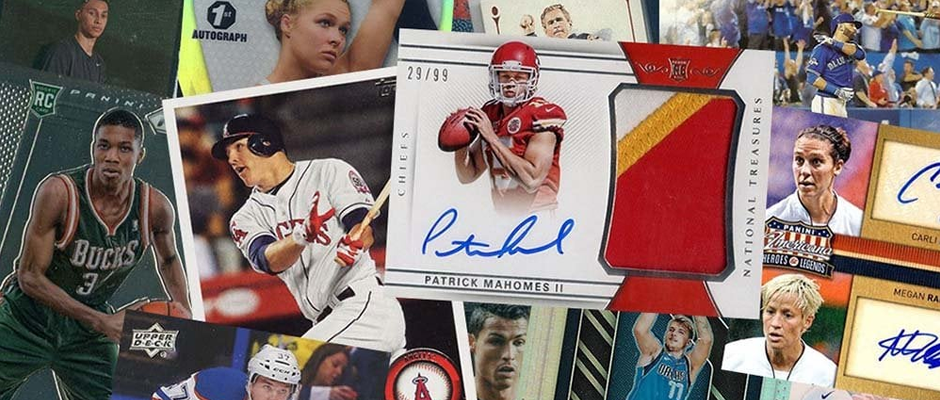
Like traditional investing, sports card portfolios benefit from diversification and risk management.
Diversification across player categories spreads risk. Don’t put everything into one player, injuries happen, performance declines occur, market sentiment shifts. My portfolio includes established stars (40%), promising young stars (30%), rookies (20%), and vintage cards (10%). This mix balances stability with upside.
Sport diversification reduces concentration risk. While basketball is my focus, I also hold some baseball and football cards. Different sports have different market cycles, so when basketball softens, football might strengthen. Cross-sport diversification smooths volatility.
Era diversification between vintage and modern cards provides balance. Vintage cards (pre-1980) offer scarcity and nostalgia. Modern cards (2000+) feature better designs and built-in scarcity through serial numbering. Both serve portfolio purposes – vintage provides stability, modern offers upside.
Grade diversification across PSA 8, 9, and 10 optimizes capital allocation. PSA 10s are premium but expensive. PSA 9s offer 80% of the look at 30-50% of the price. PSA 8s are budget options. Holding various grades lets you scale positions across price points.
Card type diversification includes base rookies, numbered parallels, autographs, and memorabilia cards. Base rookies provide affordability and liquidity. Low-numbered parallels offer scarcity. Autographs command premiums. Memorabilia cards appeal to subset of collectors. Diversifying across types captures different market segments.
Position sizing prevents catastrophic losses from any single card. Don’t allocate 50% of capital to one card, if that player gets injured or underperforms, you’re devastated. My rule: no single card exceeds 10% of portfolio value, with most positions at 2-5%. This limits downside from any individual card.
Liquidity management ensures you can exit positions when needed. Highly liquid cards (flagship rookies of stars, graded cards, popular parallels) sell quickly. Niche cards, obscure parallels, or obscure players lack buyers. Maintain adequate liquidity to capitalize on opportunities or raise cash during emergencies.
Risk tiers help categorize holdings:
- Low risk (50% allocation): Graded rookies of established Hall of Fame-trajectory players
- Medium risk (30% allocation): Young All-Stars, promising rookies, quality vintage
- High risk (20% allocation): Speculative rookies, unproven second-year players, betting on breakouts
This tiered approach balances preservation with growth. Low-risk holdings preserve capital. High-risk holdings provide upside. Medium-risk bridges both.
Rebalancing periodically realigns portfolios. If a speculative rookie becomes an All-Star, that position might grow from 3% to 15% of portfolio value. Consider selling portions to lock profits and rebalance toward target allocation. Similarly, if established star cards underperform, consider adding to positions when undervalued.
I rebalance quarterly, reviewing positions, taking profits on outperformers, adding to undervalued holdings, and ensuring portfolio composition matches target allocations. This discipline prevents overconcentration and forces selling high while buying low.
Buying Strategies: Where and How to Acquire Cards
Successful investing requires buying cards at favorable prices. Different buying strategies optimize acquisition costs.
eBay buying tactics: eBay remains the largest secondary market. Successful eBay buying involves searching completed/sold listings to understand market prices, using targeted search terms to find mispriced listings (sellers making typos or poor descriptions), sniping auctions in final seconds rather than bidding early (prevents price escalation), and negotiating with “Best Offer” listings (many sellers accept 10-20% below asking).
I’ve scored incredible deals on eBay from sellers who misspelled player names, used poor-quality photos (hiding card quality from other buyers), or listed during low-traffic times. Diligent searching finds undervalued cards.
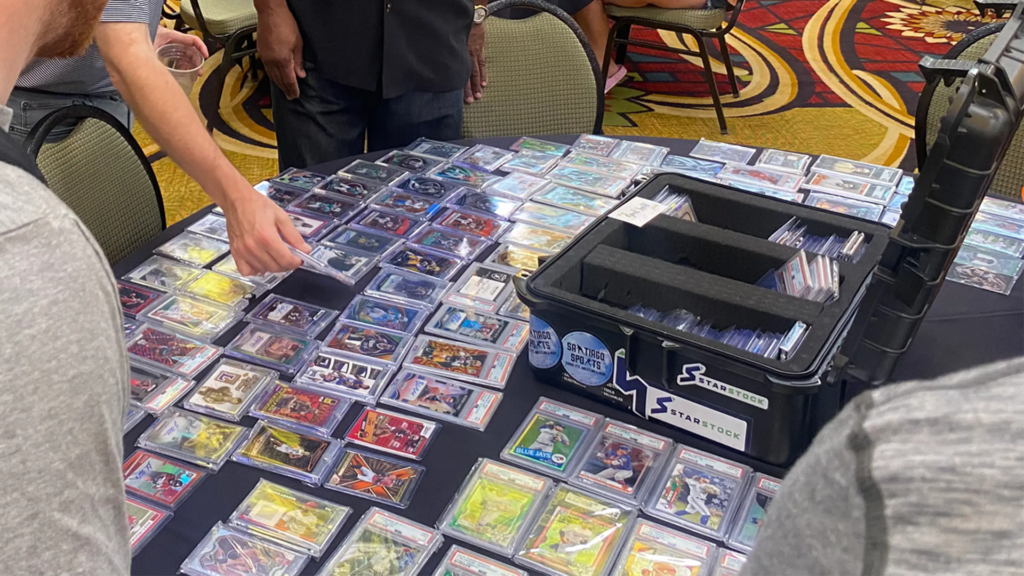
Card show buying: Physical card shows let you inspect cards before buying, negotiate face-to-face, and build dealer relationships. Show tactics include arriving early for best selection, negotiating package deals (buying multiple cards for discount), paying cash for better prices (dealers save credit card fees), and revisiting tables near closing (dealers might discount to avoid repacking inventory).
I hit several shows annually, the face-to-face interaction and physical inspection opportunity beats online buying for certain purchases. Plus, the show atmosphere and networking with other collectors provides intangible value.
Group breaks: Group breaks let you access expensive boxes at fractional costs. You buy a team or player spot, and the breaker opens boxes on camera, distributing your team’s/player’s cards. Breaks work for accessing premium products but introduce randomness, you might pay $50 and get nothing, or hit a massive card.
Treat breaks as entertainment with upside potential rather than primary investment strategy. I break occasionally for fun but don’t rely on breaks for serious investment positions.
Direct dealer purchases: Building relationships with established dealers provides deal flow. Dealers see thousands of cards weekly and might offer favorable pricing to repeat customers. Wholesale buying from dealers who trust you can yield below-market prices.
COMC (Check Out My Cards): COMC aggregates individual cards from thousands of sellers in one interface. Their inventory is massive with millions of cards available. Buying on COMC provides selection and convenience, though prices aren’t always lowest. Their “challenge” feature lets you make offers below asking prices.
Auction houses for premium cards: Goldin, Heritage, and PWCC auction ultra-premium cards. If you’re investing in six-figure cards, these venues provide authentication, professional photography, and serious buyer pools ensuring fair market prices. Auction house premiums (15-20% buyer premiums) are part of the deal.
Retail arbitrage: Buy retail packs/boxes, pull valuable cards, and sell. This requires understanding expected value when most retail provides negative expected value (you lose money on average). However, specific releases or favorable pricing might create arbitrage opportunities. Walmart clearance sections sometimes discount older products below market clearing prices.
Buying during market dips: Markets cycle. When general market fear or card market corrections occur, opportunistic buying acquires quality cards at discounts. The 2022 correction created incredible buying opportunities, cards trading at 50% of peak values that have since recovered to 70-80% of peaks. Buying fear generates outsized returns.
Selling Strategies: Maximizing Your Exits
Buying right is half the equation, then selling optimally captures profits.
eBay selling tactics: Listing quality matters enormously. High-quality photos from multiple angles, detailed descriptions including flaws, and accurate titles incorporating searchable terms maximize views. Listings ending Sunday evenings (8-10pm local time) capture maximum eyeballs when people browse leisurely.
Auction vs Buy-It-Now depends on card rarity and demand. Hot cards with multiple interested buyers do better in auctions (competitive bidding drives prices up). Niche cards with limited buyer pools benefit from Buy-It-Now pricing with “Make Offer” enabled (patient selling to the one buyer who wants that specific card).
Starting auctions at $0.99 counterintuitively generates higher finals than starting at expected market value, the low starting bid attracts initial bidders, creating activity that draws more attention.
Timing sales: Sell into strength, not weakness. If your player wins MVP or has monster playoff performance, values spike temporarily – sell then. Don’t sell during panic corrections unless fundamentals changed (injury, scandal, performance collapse).
I sold Victor Wembanyama rookies in January 2025 after he was putting up incredible numbers, then his hype peaked temporarily. Cards sold for 20-30% above where they trade now. That timing added hundreds of dollars to profits. Conversely, I didn’t panic sell during the 2022 correction because I believed in long-term fundamentals. Those cards recovered.
Platform selection affects net proceeds:
- eBay: Largest buyer pool but 12-13% total fees (eBay + PayPal)
- COMC: Consignment sales at 20% commission but they handle everything
- Facebook groups: Lower fees (3% PayPal) but smaller buyer pools and scam risks
- Local card shops: Instant cash but only 50-70% of market value typically
- Private sales: No fees but requires finding buyers yourself
I use different platforms strategically, eBay for mainstream cards where buyer pool matters, Facebook groups for niche cards where targeted buyers exist, and local shops when I need immediate cash and accept discounts for convenience.
Setting realistic prices: Research recent sold comps on eBay, factor in current card trends, and price competitively. Overpricing by 20-30% hoping for naive buyers wastes time. Price fairly, sell quickly, and redeploy capital into next opportunities.
Negotiation tactics: When buyers make offers, counter near your target price but leave room for them to counter again (people like feeling they negotiated successfully). Decline lowball offers politely rather than accepting terrible deals or getting annoyed.
Grading before selling: Expensive raw cards might warrant grading before selling, graded cards command premiums exceeding grading costs. However, if you’re uncertain about grade, selling raw avoids the risk of disappointing grade destroying value. Know when grading makes sense.
Tax-loss harvesting: Sell losing positions in December to offset the year’s gains, reducing tax bills. You can immediately repurchase the same cards (wash sale rules don’t apply to collectibles) if you still want exposure.
The Path Forward: Building Sustainable Returns
Sports card investing can generate real returns when approached strategically. It’s not get-rich-quick, but informed investors building diversified portfolios with patience can achieve 8-15% annual returns over time, competitive with traditional investments while providing tangible enjoyment.
Key principles for success: research thoroughly before buying, diversify across players and eras, manage risk through position sizing, hold quality cards long-term for tax efficiency, time entries and exits strategically, maintain detailed records for taxes, balance investment goals with collecting enjoyment, and stay informed about market trends and player performance.
Most importantly, invest only what you can afford to lose. Sports cards are alternative assets with volatility and risks. They shouldn’t represent your entire investment portfolio, maintain traditional investments (stocks, bonds, real estate) as your foundation.
I’ve generated meaningful returns through card investing, enough to fund other hobbies, take nice vacations, and grow wealth. But I’ve also had losses, held cards that declined, and made mistakes. Learning from errors, refining strategies, and maintaining discipline separates successful investors from speculators.
Share your investment strategies below. What players are you targeting? What’s your preferred time horizon? Have you had big wins or painful losses teaching valuable lessons? Let’s learn from each other.
Welcome to sports card investing. Your portfolio awaits.
Essential Investment Resources
Market Data & Pricing:
- 130 Point – Real-time market data
- SportsCardsPro – Track card values
- CardLadder – Price tracking and analytics
- Sports Card Investor – Investment analysis
Community & Education:
- No Off Season – Investment strategies
- r/sportscardsinvesting – Reddit investment discussions
- Sports Card Investor Podcast – Market analysis and trends
Marketplaces:
- eBay – Largest secondary market
- COMC – Massive single-card inventory
- Goldin Auctions – Premium card auctions
- StarStock – Fractional card investing
Analysis Tools:
- Excel or Google Sheets for portfolio tracking
- CardMavin – Sold listing aggregation
- Population reports from PSA/BGS/SGC