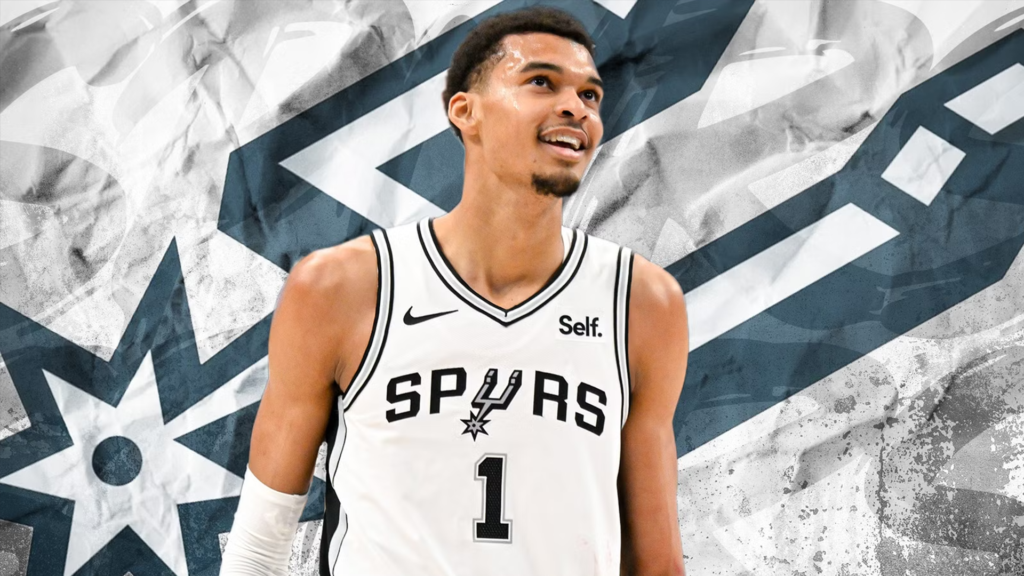
When Victor Wembanyama stepped onto an NBA court for the first time on October 25, 2023, the basketball world witnessed something genuinely unprecedented: a 7-foot-4 teenager who moved like a guard, shot like a wing, and protected the rim like a traditional centre. His nickname “The Alien” felt perfectly apt as he simply didn’t resemble any player who’d ever existed. For collectors, his arrival sparked a buying frenzy that drove some of his cards to astronomical heights before reality set in.
I’ll never forget watching Wemby’s first game against Dallas whilst simultaneously refreshing eBay listings on my phone. His cards were skyrocketing with each block and three-pointer. A Topps NOW Draft PSA 10 that sold for $75 in July hit $301 by October. Prizm Draft Picks PSA 10s climbed from $50 to $330. The hype felt unstoppable then until it wasn’t. Today, those same cards trade for $26 and $29 respectively, representing drops of over 90%. That brutal correction taught me expensive lessons about buying rookie hype versus actual value.
Throughout this comprehensive guide, I’ll explore Victor Wembanyama from both basketball and collecting perspectives. We’ll examine his historic rookie season, assess his current development, analyse why his card market crashed so dramatically, and most importantly, determine whether current prices represent genuine value opportunities or warnings to stay away. Let’s separate the Alien’s genuine brilliance from the cautionary tale his cards represent!
Who Is Victor Wembanyama and Why Does He Matter?
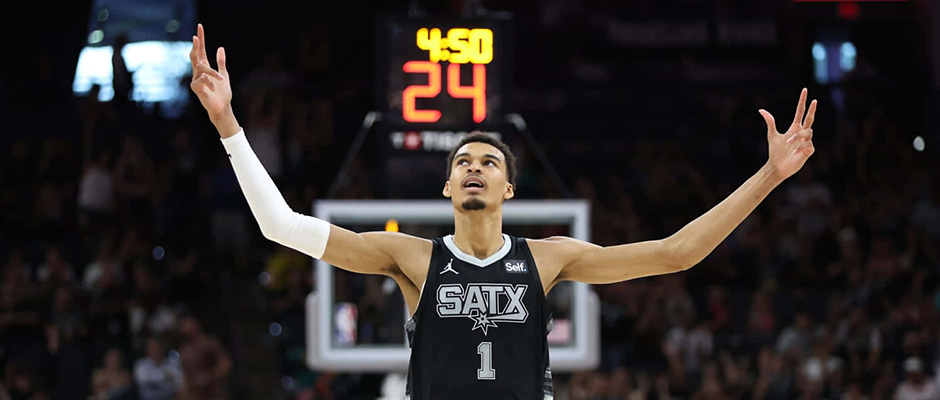
Victor Wembanyama was born January 4, 2004, in Le Chesnay, France, into a family where basketball runs deep. His mother played professional basketball, whilst his father coached at various levels. This genetic and environmental combination created the foundation for developing one of the most unique physical specimens basketball has ever seen.
“The Alien” nickname originated from French fans and teammates who couldn’t process what they were watching. Traditional centres don’t dribble through defenders or pull up for step-back threes. Guards don’t swat shots at the rim. Yet Victor Wembanyama did all of it effortlessly, looking like a video game character with maxed-out attributes rather than a real human being bound by normal physical limitations.
The 7-foot-4 frame with guard skills represents basketball’s ultimate unicorn. Before Victor Wembanyama entered the NBA, he was considered the most hyped prospect in basketball history. Most 7-footers lumber up and down the court, limited to post play and rim protection. Victor Wembanyama handles the ball in transition, shoots off the dribble, facilitates offence, and defends all five positions. The skill-size combination literally hadn’t existed before him.
His French basketball prodigy background included winning Pro A MVP at age 18 whilst playing for Metropolitans 92. He became the youngest player to win France’s top professional league MVP award whilst leading the league in scoring, rebounding, and blocks simultaneously. Those achievements came against professional adults whilst Wembanyama was still technically a teenager.
The San Antonio Spurs selected Victor Wembanyama first overall in the 2023 NBA Draft after winning the lottery with just 14% odds. Landing in San Antonio paired him with Gregg Popovich, one of history’s greatest coaches, creating ideal development environment. The Spurs’ reputation for patiently developing international stars (Tony Parker, Manu Ginóbili) suggested Victor Wembanyama had found the perfect franchise.
I remember watching the draft lottery live, knowing whoever landed Victor Wembanyama was getting someone special. When San Antonio’s logo appeared at #1, the basketball purist in me celebrated as this was the ideal organisation to develop him properly rather than rushing him into carrying a terrible team immediately.
Historical comparisons fall short because nobody compares cleanly to Victor Wembanyama. Kevin Durant at 7-feet with offensive skills? Wemby’s taller and better defensively. Hakeem Olajuwon’s defensive prowess? Wemby shoots better from outside. Kristaps Porzingis’ size-shooting combination? Wemby’s more athletic and versatile. He’s genuinely unprecedented, which explains both the hype and the impossible expectations placed upon him.
Cultural phenomenon status extends far beyond basketball. French fans claimed him as a national treasure. Basketball purists marvelled at his skills. Casual sports fans who couldn’t name five NBA players knew who Wembanyama was. That mainstream recognition – rare for rookies – created demand for his cards from collectors who typically ignore basketball entirely.
The global appeal creates interesting market dynamics. European collectors pursue Wembanyama cards with fervour typically reserved for soccer (football). American collectors chase him as generational NBA talent. Asian markets appreciate skilled big men. This worldwide demand theoretically supports values, though we’ll see later how that theory met brutal reality.
What Made Wembanyama’s Rookie Season Historic?
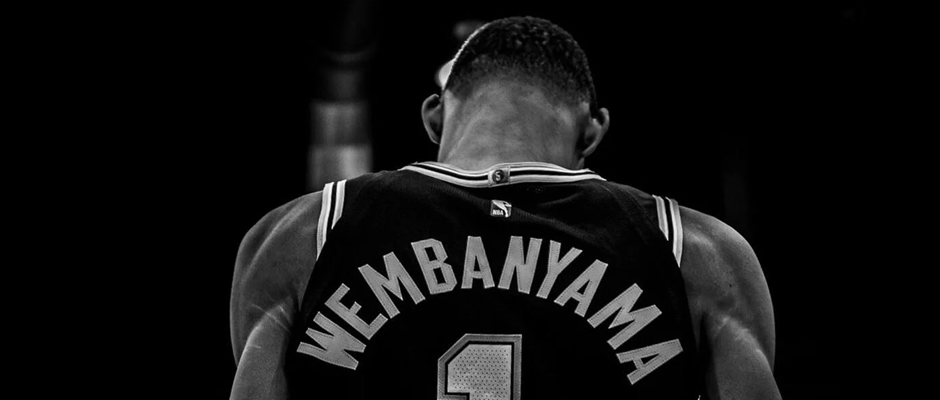
Victor Wembanyama’s 2023-24 rookie campaign delivered statistical achievements that validated even the most optimistic pre-draft projections. Understanding what he actually accomplished helps assess whether his current card valuations make sense or remain disconnected from reality.
Unanimous Rookie of the Year honours represented the minimum expected outcome given his dominance. Wembanyama received all 99 first-place votes, joining elite company of rookies whose superiority was so obvious that voters couldn’t justify selecting anyone else. This wasn’t a competitive race, it was coronation.
Statistical achievements across all categories demonstrated true two-way excellence. Wembanyama averaged 21.4 points, 10.6 rebounds, 3.9 assists, 1.2 steals, and 3.6 blocks per game. More impressively, he did this in just 29.7 minutes per game as the Spurs cautiously managed his workload to protect long-term health. Per-36-minute stats suggested even greater production had he played typical starter minutes.
Leading the entire league in blocks as a rookie hadn’t happened since Manute Bol in 1985-86. Wembanyama didn’t just block shots – he controlled opponents’ offensive approach through his rim presence. Teams altered shots, avoided the paint, and completely adjusted strategies to account for his defensive impact. That level of influence from a 19-year-old was genuinely unprecedented.
The historic five-by-five achievements particularly impressed basketball purists. A five-by-five requires at least five points, rebounds, assists, steals, and blocks in a single game – incredibly rare because it demands complete game contribution. Wembanyama recorded his first five-by-five on February 23, 2024, against the Lakers (27 points, 10 rebounds, 8 assists, 5 steals, 5 blocks) in just 30 minutes. He became the youngest player ever to achieve this feat and did so in the fewest minutes played in NBA history.
Then on October 31, 2024 (early in his sophomore season), Wembanyama recorded his second career five-by-five, joining Hakeem Olajuwon and Andrei Kirilenko as the only players in NBA history with multiple such games. That’s genuinely elite company suggesting all-time defensive versatility.
The 50-point explosion against Washington on December 13, 2023, showcased his offensive ceiling. Wembanyama scored 50 points on 18-of-29 shooting, including 8-of-16 from three and 6-of-9 from the free-throw line, whilst adding six rebounds and three blocks. The efficiency impressed more than the volume as he wasn’t forcing shots or dominating usage, just systematically dissecting Washington’s defence with surgical precision.
Defensive Player of the Year voting saw Wembanyama finish second behind only Rudy Gobert despite being a teenager in his first NBA season. Receiving that level of recognition from voters who typically favour established veterans demonstrated how obviously impactful his defence was. The film study revealed opponents literally gameplanning to avoid his defensive zone entirely.
Making the NBA All-Defensive First Team represented the historic achievement that separated Wembanyama from all other rookies in history. He became the first rookie and youngest player ever to earn First Team All-Defense honours, surpassing even legendary defenders who’d needed years to reach that level. This wasn’t just impressive for a rookie, it was impressive period.
The rookie season established beyond doubt that Wembanyama possesses legitimate superstar talent. Whether that talent translates into the sustained excellence required for card appreciation remains the crucial investment question, but his rookie year left no doubt about his ceiling being genuinely special.
How Is Wembanyama’s Second Season Going?
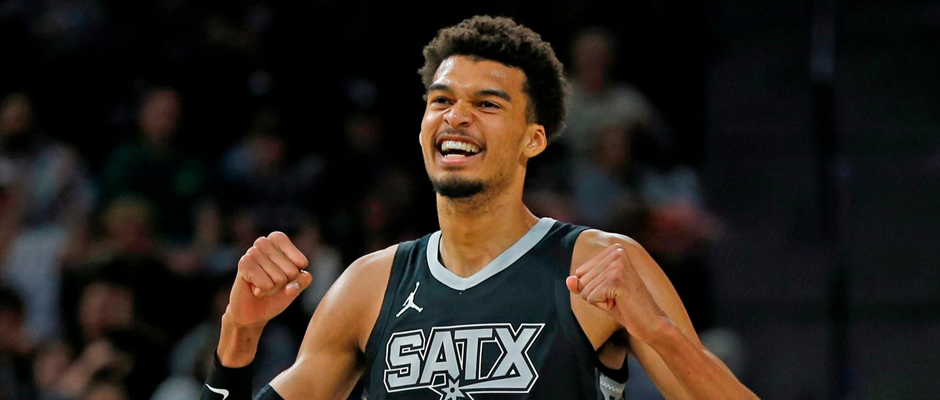
Victor Wembanyama’s sophomore campaign showed continued statistical growth whilst introducing injury concerns that significantly affect both his on-court performance and card valuations. Understanding his current development provides crucial context for investment decisions.
Through 46 games in the 2024-25 season before injury ended his year, Wembanyama averaged 23.7 points, 10.1 rebounds, 3.9 assists, 1.1 steals, and 3.8 blocks per game. These represented modest improvements from his rookie numbers whilst maintaining the two-way dominance that makes him special. He was on pace for another All-Defensive Team selection and legitimate MVP consideration before the injury.
Three-point shooting improvement particularly impressed scouts and collectors. Wemby shot 35.6 percent from deep in his sophomore year, up from 32.5 percent as a rookie, whilst attempting more threes per game. Before Wembanyama, no player in NBA history averaged at least three blocks and three made three-pointers per game for an entire campaign. He was making it routine, demonstrating skill development that extended his offensive threat whilst maintaining defensive dominance.
However, the deep vein thrombosis (DVT) diagnosis in his right shoulder discovered in February 2025 after the All-Star break shut him down for the remainder of the season after just 46 games. This blood clot condition raised serious questions about his durability and long-term health that still affect card values today.
I won’t sugarcoat this: the DVT diagnosis genuinely worried me from both basketball and collecting perspectives. Blood clots can be career-threatening if not properly managed where Chris Bosh’s career ended due to similar clotting issues. The Spurs’ medical staff expressed confidence they’d identified the cause and have no long-term concerns, but collectors rightfully worry about durability for someone whose unique 7-foot-4 frame creates inherent injury risks.
Team record and context matter for card values. The Spurs finished the 2024-25 season with a 36-46 record, missing the playoffs despite Wembanyama’s excellence. The team success hasn’t matched individual brilliance yet, which affects card appreciation – superstars on winning teams always command premiums over equally talented players on struggling franchises.
Growth areas demonstrated encouraging signs despite the shortened season. Wembanyama’s decision-making improved, reducing turnovers whilst maintaining aggressive playmaking. His free-throw percentage climbed to 85.2 percent, suggesting refined shooting touch. The basketball IQ development particularly impressed as he was learning NBA pace and strategy remarkably quickly for someone so young.
The sophomore season assessment splits between on-court excellence and off-court concerns. When healthy, Wembanyama looked every bit the generational talent projected. The DVT diagnosis created legitimate durability questions that weren’t prominent during his rookie year. This dichotomy directly affects card investment calculus – how much do you discount for health risk versus credit for demonstrated brilliance?
Looking ahead to his third season and beyond, collectors need to monitor whether the DVT proves to be an isolated incident or the beginning of recurring health problems. His card values will track closely with health updates and on-court performance over the next 2-3 years as the market determines whether he’s a durable superstar or injury-prone talent whose ceiling remains frustratingly unreachable.
What Are Victor Wembanyama’s Rookie Cards Worth Now?
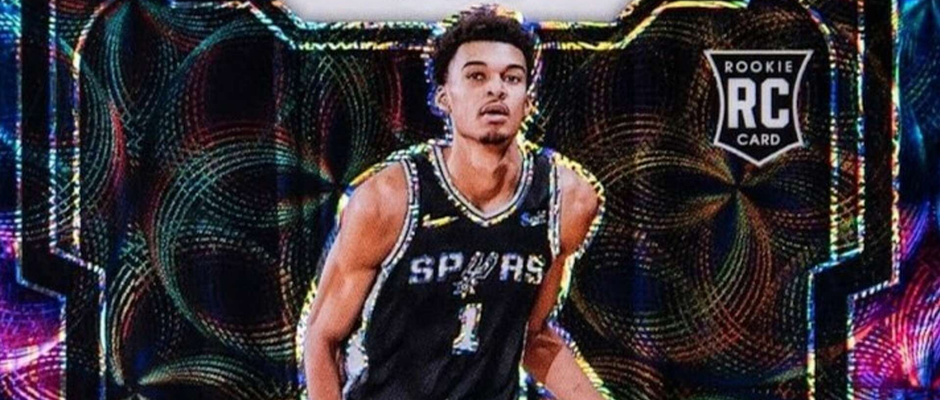
The harsh reality of Victor Wembanyama’s current card market represents one of the most dramatic corrections in modern sports card history. Understanding actual values versus peak prices provides crucial context for any collecting or investing decisions.
Market crash statistics tell the brutal story. Cards that sold for hundreds during peak hype now trade for tens of dollars. Wembanyama’s 2023 Topps NOW Draft PSA 10 commanded as much as $301 in October 2023 but now trades around $26 – a 91% decline. His 2023 Prizm Draft Picks PSA 10 plummeted from $330 peak to current $29 values – another 91% crash. These aren’t outliers; they represent typical corrections across his entire card portfolio.
Panini Prizm values are traditionally basketball’s most popular modern rookie cards and have corrected significantly from early enthusiasm. Wembanyama’s base Prizm rookie started in the $15-40 range, spiked during peak season to $50-80 for raw copies, then settled into current $10-25 territory. PSA 10 examples that briefly touched $200+ now trade around $70-120 depending on market conditions.
The 2023-24 Hoops rookie, his first card in a Spurs uniform, followed similar trajectory. Initial sales ranged $15-40, settled to current $8-20 for raw copies. Hoops traditionally offers budget-friendly rookies, so the correction here merely brought prices back to historical norms for accessible base cards of #1 picks.
Topps Chrome market performance varies by specific product. The 2023-24 Topps Chrome Basketball base rookie (Wembanyama in non-NBA uniform due to licensing) trades around $40-80 for raw copies, $120-250 for PSA 10s. These prices reflect both Topps Chrome’s traditional premium positioning and the autograph exclusivity that Topps holds through Fanatics.
Premium autograph cards maintained value better than base cards but still experienced corrections. Wembanyama’s Topps Chrome autographs, which briefly exceeded $2,000 for some parallels, now trade in the $1,000-1,800 range depending on serial numbering and condition. The autograph exclusivity provides value floor that base cards lack, but even premium signed cards lost 30-50% from peak values.
I personally bought three Wembanyama cards after the correction: two Prizm base PSA 9s at $35 each and one Chrome base PSA 9 at $85. These represent calculated small bets on generational talent at prices that feel reasonable rather than inflated. If he stays healthy and becomes a perennial All-Star, these cards could appreciate nicely. If injuries derail him, I’ve lost maybe $150 total – manageable risk for meaningful upside potential.
High-end sales showcase both ceiling and volatility. The 2023-24 Panini Prizm Nebula Choice Prizm 1/1 graded PSA 9 sold for $860,100 at auction – genuinely jaw-dropping price for a modern rookie card. However, that outlier 1/1 sale doesn’t reflect typical Wembanyama card values any more than a $5 million LeBron card indicates what regular LeBron cards cost.
Comparison to initial hype prices reveals the danger of buying peak speculation. Collectors who bought during October-December 2023 when Wembanyama was dominating headlines and his cards seemed certain to climb forever now sit on 60-90% losses. Meanwhile, patient collectors who waited for corrections or completely avoided the hype can now acquire the same cards at fraction of peak prices.
The current market reality: Wembanyama cards have corrected brutally from hype peaks but remain above typical rookie card prices due to his obvious talent and unique profile. Whether current prices represent value opportunities or still-inflated speculation depends entirely on your assessment of his health prognosis and long-term ceiling.
Why Did Victor Wembanyama Card Values Drop So Dramatically?
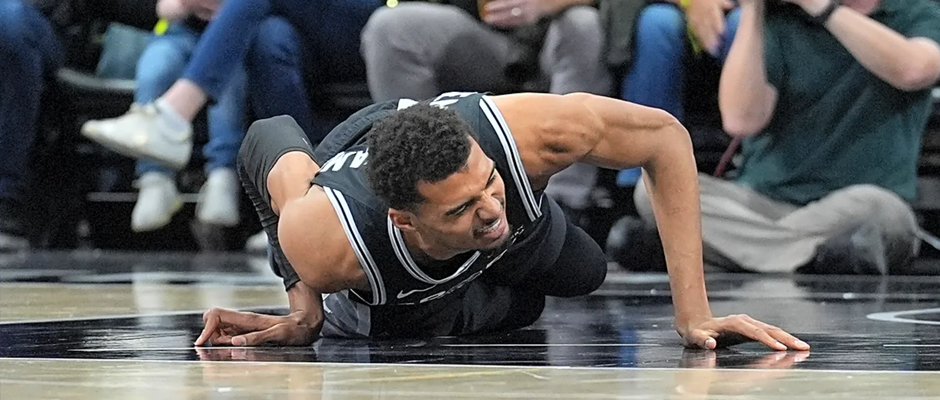
Understanding what caused Wembanyama’s card market crash provides crucial lessons for avoiding similar mistakes with future rookie investments. Multiple factors combined to create perfect storm of value destruction.
Overproduction concerns affected Panini products particularly severely. Unlike vintage cards with naturally limited print runs, modern manufacturers can print virtually unlimited base cards and unnumbered parallels. The combination of Wembanyama hype and Panini’s final years with NBA licensing created incentive to produce massive quantities. When supply dramatically exceeds demand, prices crater regardless of player quality.
The market correction post-pandemic boom affected all sports cards but hit hyped rookies especially hard. The 2020-2021 card renaissance saw prices surge across categories as stimulus money and lockdown boredom drove unprecedented buying. By 2023-24, that artificial demand had normalised, removing price support that Wembanyama’s rookie year coincided with.
Injury fears and health questions emerged as Wembanyama dealt with various ailments. The DVT diagnosis particularly spooked investors who’d already seen injury derail prospects like Zion Williamson and Greg Oden. Collectors increasingly discount cards of players with injury histories, regardless of talent, because health uncertainty creates investment risk incompatible with premium valuations.
The Fanatics/Panini licensing chaos created unprecedented market confusion. Fanatics secured exclusive autograph rights to Wembanyama whilst Panini held NBA licensing. This meant Panini’s licensed cards (showing Spurs uniform and logos) lacked autographs, whilst Topps’ autograph cards lacked NBA licensing (showing non-uniform photos). Neither option provided complete package collectors typically expect.
I watched this licensing situation confuse even experienced collectors. Do you buy licensed Panini cards without autographs or unlicensed Topps cards with autographs? The split created parallel markets that both suffered because neither satisfied all collector preferences. This fragmentation reduced overall demand whilst increasing total card options, pushing prices down across both categories.
Missing autographs in Panini products specifically hurt values because autographs traditionally anchor rookie card demand. Collectors expect premier rookies’ cards to include autograph chase cards. Panini’s inability to deliver Wembanyama autos due to Fanatics exclusivity meant their products lost significant appeal to autograph-focused collectors despite having the NBA license advantage.
Unrealistic initial expectations set up inevitable disappointment. Wembanyama’s hype approached LeBron James levels despite LeBron being once-in-generation talent whose cards appreciated over 20 years. Expecting similar trajectories from any rookie – even unprecedented talents – creates overvalued entry points that subsequent reality must correct.
Market lessons from Zion comparison prove particularly relevant. Zion Williamson entered the NBA with similar hype in 2019, saw his cards explode to absurd prices (base Prizm hitting $40-100), then watched values collapse as injuries limited his development. Collectors who’d paid peak Zion prices lost 70-80% of investment. Wembanyama’s trajectory mirrors Zion’s almost exactly, suggesting market hasn’t learned to avoid overpaying for rookie hype.
The corrections weren’t about Wembanyama’s actual talent or performance as he’s been brilliant. Instead, they reflected inflated prices disconnected from realistic value expectations. A $300 Topps NOW card of an unproven rookie, regardless of talent, was always absurd pricing requiring everything to break perfectly. When normal rookie challenges emerged (injuries, learning curve, team struggles), those inflated prices had nowhere to go but down.
Which Wembanyama Cards Should Collectors Target?
Navigating Wembanyama’s extensive card checklist after the market crash requires strategic thinking about budget, risk tolerance, and collecting goals versus investment objectives. Current prices create opportunities that didn’t exist during peak hype, but selecting the right cards matters enormously.
Budget options under $50 include Panini Hoops and Donruss base rookies trading around $10-25 raw. These provide the most accessible Wembanyama rookies in licensed Spurs uniforms. If you simply want a Wemby rookie card without major investment, Hoops delivers that experience affordably. I’d recommend buying raw copies and submitting them for grading yourself rather than paying premiums for already-graded common cards.
Mid-range picks in the $50-200 range target the sweet spot between affordability and meaningful scarcity. Wembanyama’s base Panini Prizm rookie PSA 10 around $70-120 offers the hobby’s most recognisable modern rookie card at historically reasonable prices. Panini Select rookies in the $40-100 range provide premium design whilst remaining budget-friendly. These represent the cards I’d target if building Wembanyama position without excessive risk.
Premium investments above $200 include National Treasures, Immaculate, and Flawless rookies numbered to 99 or fewer. These serial-numbered cards provide genuine scarcity that base cards lack, creating value floors during market downturns. Expect to pay $400-1,500+ for National Treasures rookies depending on serial number. If you’re convinced Wembanyama becomes superstar, these represent better long-term holds than unlimited base cards.
Autograph cards deserve special consideration given the Topps exclusivity. Wembanyama’s Topps Chrome Refractor autographs around $1,000-1,800 combine his signature with recognisable Chrome brand. Topps Mercury autographs in the $1,500-3,500 range deliver ultra-premium content from Topps’ highest-end basketball release. The autograph exclusivity creates moat that Panini cards can’t match, potentially supporting values long-term as Fanatics controls NBA licensing going forward.
The Topps versus Panini debate requires understanding trade-offs. Panini cards show Wembanyama in proper Spurs uniform with NBA logos – the “official” look collectors traditionally prefer. However, Panini lost NBA rights for 2025-26, making their Wembanyama rookies the final licensed cards they’ll ever produce of him. Conversely, Topps holds autograph rights and produces Wembanyama’s ongoing licensed cards under Fanatics, but their 2023-24 rookies lack NBA logos.
My personal strategy focuses on Prizm and Chrome base cards in PSA 9 grade, viewing them as reasonable speculation on generational talent at corrected prices. I’m avoiding $1,000+ autographs until either prices drop further or Wembanyama demonstrates sustained excellence over 3-5 seasons justifying premium positioning.
Product recommendations by budget tier:
- Under $100: Hoops, Donruss, or Prizm base cards in PSA 9
- $100-300: Prizm or Chrome PSA 10, Select parallels
- $300-1,000: Lower-numbered parallels (/99, /49), basic Topps autos
- $1,000-2,500: Premium Topps Chrome autograph refractors
- $2,500+: National Treasures patch autos, 1/1 cards
Cards to avoid include unnumbered base cards in raw condition (too many exist, hard to maintain value), extremely low-grade cards (even of Wembanyama), and overhyped new releases where prices haven’t settled. Also avoid unlicensed cards from questionable manufacturers trying to capitalise on Wembanyama’s name without proper agreements.
Topps or Panini: Which Wembanyama Cards Are Better?
The unprecedented licensing situation surrounding Victor Wembanyama’s rookie cards creates genuine dilemma for collectors trying to determine which manufacturer’s cards represent better long-term investments. Both options carry distinct advantages and drawbacks worth careful consideration.
Licensing situation explained: Panini held exclusive NBA rights through the 2024-25 season, allowing them to produce cards featuring Spurs uniforms and NBA logos. However, Fanatics/Topps secured exclusive autograph rights to Wembanyama, preventing Panini from including his signatures in their products. This split created market where neither manufacturer offered complete package.
Panini advantages centre on the authentic NBA presentation. Their Wembanyama rookies show him in proper Spurs uniform, on Spurs court, with all official branding intact. For collectors who value traditional licensed appearance, Panini delivers what basketball cards “should” look like. Additionally, Panini’s Prizm brand carries decades of recognition as basketball’s premier modern rookie card, creating brand equity that transcends individual licensing arrangements.
However, Panini’s cards represent the final licensed Wembanyama products they’ll ever produce. Topps/Fanatics now controls NBA licensing starting with 2025-26 products, meaning all future licensed Wembanyama cards come from Topps. This creates interesting dynamic where Panini’s 2023-24 rookies are frozen in time as historical artifacts rather than ongoing product lines.
Topps advantages focus on autographs and future positioning. Fanatics’ exclusive autograph deal means only Topps products contain Wembanyama signatures – crucial for collectors who prioritise autographed content. More importantly, Topps/Fanatics holds NBA licensing going forward, positioning them as the long-term manufacturer of licensed Wembanyama cards. This future advantage could make their current rookies more valuable as “first Topps Wembanyama cards” even without NBA logos.
I’ve struggled with this decision personally. Part of me loves the clean NBA-licensed look of Panini Prizm showing Wemby in his Spurs uniform. But the investor side recognises that Topps controls Wembanyama’s autograph rights and future licensed cards, creating potential long-term advantage. I’ve split my modest Wembanyama holdings 60/40 favouring Panini for the licensed appearance whilst maintaining Topps exposure for autograph exclusivity.
Long-term value considerations suggest both have merit for different reasons. Panini cards provide the “official” rookie year licensed look that collectors traditionally value most. These become historical artifacts representing the end of Panini’s NBA run. Meanwhile, Topps cards offer autograph exclusivity and position as the ongoing licensed manufacturer, potentially driving sustained demand as Wembanyama’s career develops.
Collector preference trends currently favour Panini for visual appeal but Topps for investment logic. Casual collectors who want cards for enjoyment prefer Panini’s licensed appearance. Serious investors eyeing 10-20 year holds lean Topps based on autograph exclusivity and future licensing. Neither group is wrong as they’re prioritising different values.
Investment strategy recommendation: if you’re buying one or two Wembanyama rookies purely for enjoyment, choose Panini Prizm for the clean licensed look you’ll appreciate when viewing your collection. If you’re investing hundreds or thousands expecting long-term appreciation, split 60/40 Panini/Topps to capture advantages of each whilst hedging against whichever manufacturer’s cards underperform.
The unprecedented licensing split makes Wembanyama’s rookie cards uniquely complex compared to typical years where one manufacturer controlled all rights. Future collectors will likely view this situation as historical curiosity – “remember when Panini had the license but couldn’t get his autograph?” That novelty might eventually add value to both options as collectors seek complete representation of this unusual period.
Should You Buy Wembanyama Cards After the Price Drop?
The 60-90% correction in Wembanyama card values creates legitimate “buy the dip” opportunity whilst simultaneously raising questions about whether cards have bottomed or will decline further. Honest assessment requires examining both bullish and bearish cases before making purchasing decisions.
Value investing perspective suggests current prices better reflect realistic expectations than peak hype valuations. Paying $26 for a Topps NOW PSA 10 that once sold for $301 means you’re buying at 91% discount from peak. If Wembanyama develops into the superstar his talent suggests, current prices could represent genuine bargains. The margin of safety – the gap between current price and potential future value – is substantially wider than during peak hype.
However, risk assessment demands acknowledging legitimate concerns. The DVT diagnosis creates real health uncertainty that could recur despite medical team’s confidence. Blood clots ended Chris Bosh’s career and created recurring issues for several players. Even if Spurs’ staff expresses optimism, collectors rightfully discount cards of players with serious medical histories because health risk is fundamentally unhedgeable.
Time horizon requirements for Wembanyama cards extend 5-10 years minimum for meaningful returns. Even if he becomes superstar, card appreciation typically requires sustained excellence over many seasons before prices substantially exceed current levels. Collectors needing liquidity within 1-2 years probably shouldn’t invest in Wembanyama cards regardless of current prices because rookie cards often remain depressed for years before appreciating.
My portfolio allocation recommendation: maximum 5-10% of basketball card portfolio to Wembanyama unless you’re specifically comfortable with high-risk/high-reward positions. The talent is obvious, but health questions and relatively unproven career trajectory (just two seasons) make larger allocations inappropriate for conservative investors. Even at corrected prices, Wembanyama cards remain speculative rather than blue-chip holdings.
Comparison to buying other rookies on dips reveals that some corrections precede recoveries whilst others precede further declines. Luka Dončić and Giannis cards corrected during early careers before appreciating significantly as they proved themselves. Meanwhile, Zion Williamson cards corrected and never recovered previous peaks due to injury concerns. Wembanyama could follow either path depending on health and development.
Conservative approach: wait another 6-12 months before buying meaningful positions. Let Wembanyama’s third season unfold and confirm the DVT proves to be isolated incident rather than recurring problem. The opportunity cost of waiting is potentially missing 20-30% upside if cards climb. The benefit is avoiding catastrophic losses if health problems prove more serious than currently acknowledged.
Aggressive approach: buy selectively now whilst prices remain depressed. Target mid-grade (PSA 8-9) copies of Prizm and Chrome rookies where absolute dollar risk stays modest ($50-150 per card). Avoid premium autographs above $1,000 until health certainty improves. This aggressive-but-measured strategy provides exposure to potential upside whilst limiting downside through modest position sizes.
My personal buying: I purchased small Wembanyama positions at current prices (five cards totalling about $250), viewing them as calculated speculation rather than core portfolio holdings. If his cards drop another 30-50% due to health disasters, the losses won’t materially impact my collection value. If he develops into perennial All-NBA player, current prices could represent excellent entry points. That asymmetric risk/reward ratio justifies modest speculation.
The key is treating Wembanyama cards as speculative plays rather than safe investments regardless of how much prices have corrected. Even at 90% discounts from peak, these remain cards of a player with just two NBA seasons whose long-term trajectory remains genuinely uncertain. Buy accordingly with money you can afford to lose rather than funds needed for other purposes.
What Is Wembanyama’s Long-Term NBA Ceiling?
Projecting Victor Wembanyama’s ultimate potential requires separating realistic assessment from fan fantasy whilst acknowledging the genuine unprecedented nature of his skill-size combination. His ceiling affects card values enormously, making this analysis crucial for investment decisions.
Best-case scenario positions Wembanyama as Hakeem Olajuwon’s defensive genius combined with Kevin Durant’s offensive versatility. If everything breaks right – health, development, team success – he could become the most complete two-way player in NBA history. Multiple championships as best player, multiple MVPs, Defensive Player of Year awards, and first-ballot Hall of Fame induction represent this optimistic projection.
I genuinely believe this ceiling is possible based on what I’ve seen. The combination of skills, size, and basketball IQ creates foundation for transcendent career. However, “possible” differs dramatically from “probable.” Countless prospects with transcendent potential failed to reach their ceiling due to injuries, circumstance, or development plateau.
Realistic projection sees Wembanyama as perennial All-Star and All-Defense selection who leads quality teams without necessarily dominating the league. Think Anthony Davis’ career trajectory with multiple championships as an important contributor, several All-NBA selections, borderline MVP candidate some seasons, eventual Hall of Famer. This outcome still represents highly successful #1 pick justifying his draft position.
This realistic scenario suggests Wembanyama’s cards eventually appreciate 3-5x from current prices, reaching levels comparable to other quality #1 picks rather than approaching Jordan/LeBron/Kobe territory. That’s meaningful return for patient investors whilst acknowledging he probably doesn’t become the absolute greatest player in the league.
Worst-case concerns centre on injury derailment preventing him from reaching potential. The 7-foot-4 frame creates inherent durability questions that DVT diagnosis amplifies. Greg Oden, Sam Bowie, and Yao Ming all saw careers shortened or destroyed by bodies that couldn’t withstand NBA rigours. If Wembanyama becomes next cautionary tale, his cards probably never recover from current levels and might decline further.
Championship potential with Spurs affects both legacy and card values. Stars who win championships always command premiums over equally talented players who don’t. The Spurs’ patient approach and quality organisation create favourable environment, though they’re not immediate contenders. Whether Wembanyama eventually leads San Antonio to titles depends on roster construction, his development, and timing.
Hall of Fame trajectory timeline suggests clear path if health cooperates. Wembanyama’s already got Rookie of Year, All-Defensive First Team, and statistical excellence establishing foundation. Continue that level 12-15 years and Hall of Fame induction becomes near-certain. Cards of Hall of Famers maintain value floors that non-HOF players can’t match.
Factors affecting ceiling include injury avoidance (most critical), continued skill development (three-point shooting, playmaking), strength/conditioning improvements (handling NBA physicality), and team success (winning validates individual greatness). Monitor these factors as his career progresses to reassess whether your initial investment thesis remains valid.
The honest ceiling assessment: Wembanyama probably becomes very good NBA player worthy of multiple All-Star selections, possibly becomes transcendent superstar if everything breaks perfectly, and unfortunately might become injury-plagued “what if” if health problems persist. That range of outcomes creates wide dispersion in potential card values.
Will Wembanyama Cards Recover and Appreciate?
The ultimate question for collectors considering Wembanyama positions: do current prices represent temporary dip before eventual recovery, or permanent correction reflecting realistic value expectations? Historical analysis and market assessment provide framework for answering.
Historical precedent from other rookie corrections reveals mixed outcomes. Some players’ cards crashed then recovered as they proved themselves – Luka Dončić, Giannis Antetokounmpo, Stephen Curry all experienced sophomore/early career dips in card prices before eventual appreciation. However, others never recovered initial peaks – Zion Williamson, Derrick Rose (post-injury), Greg Oden all remain below early valuations.
The key differentiator: sustained health and performance over 5+ seasons. Players who stayed healthy and maintained excellence saw cards eventually surpass rookie-year peaks. Those who battled injuries or failed to develop as projected never recovered lost ground. Wembanyama’s path depends entirely on which group he joins.
Factors supporting recovery include his obvious talent when healthy, young age (plenty of time to develop), excellent organisation (Spurs’ development track record), and the sheer unprecedented nature of his skills creating collector fascination regardless of exact career outcomes. The 7-4 frame with guard skills remains genuinely unique in basketball history.
I find the talent argument compelling – when healthy, Wembanyama produces at levels justifying significant card values. He’s not struggling to perform or showing signs his game won’t translate. The excellence is obvious. If health cooperates, recovery seems probable simply because his actual basketball justifies valuations higher than current crashed prices.
Factors suggesting further decline include persistent health concerns (DVT plus other injuries), overproduction of his cards (massive supply particularly from Panini), team struggles (Spurs not contending yet), and potential market saturation (too many collectors already own Wembanyama cards bought during hype, limiting new demand).
Timeline for potential appreciation extends 3-5 years minimum before meaningful recovery. Even successful players’ cards typically stagnate 2-4 years post-rookie before appreciation resumes. Wembanyama’s cards need time for supply to be absorbed, for casual collectors who overpaid to capitulate and sell, and for his actual career to validate investment thesis through sustained performance.
Blue chip potential assessment suggests Wembanyama could achieve that status eventually but hasn’t yet. Blue chip requires proven excellence across many seasons, established track record, and demonstrated durability. Wembanyama’s got two brilliant seasons but unproven long-term durability. Give him 8-10 more seasons of sustained performance and blue chip status becomes reasonable. Until then, he remains speculative prospect.
Expert predictions vary widely based on health assumptions. Optimistic analysts project eventual 5-10x appreciation from current prices if Wembanyama avoids major injuries and reaches potential. Pessimistic observers suggest cards could decline further if health problems persist or team success never materialises. Realistic middle-ground expects modest appreciation (2-3x over 10 years) in line with quality All-Stars.
My assessment: Wembanyama’s cards probably recover and appreciate modestly over next decade if he stays reasonably healthy. The talent floor seems high enough to support current prices long-term. However, expecting returns rivalling early LeBron or Kobe investors requires assuming everything breaks perfectly – health, development, team success, market conditions all aligning favourably. Possible but far from guaranteed.
The investment decision ultimately depends on your belief in his health prognosis and time horizon. If you believe the DVT is resolved and you can hold 10+ years, current prices create reasonable entry point for small positions. If you’re sceptical about durability or need shorter holding periods, safer opportunities exist elsewhere in basketball card collecting.
The Alien Landing: Patience Required
Victor Wembanyama represents everything simultaneously fascinating and frustrating about modern basketball card collecting. His unprecedented talent creates genuine excitement about witnessing historical greatness develop. His card market crash provides expensive lessons about hype versus value. Understanding both realities helps you make informed decisions about whether Wembanyama cards belong in your collection.
The honest assessment acknowledges that Victor Wembanyama has been brilliant on court whilst his card market has been disastrous for early investors. These aren’t contradictory – brilliant players’ cards crash regularly when initial prices disconnected from realistic expectations. Current prices correct that disconnect, potentially creating value opportunities for patient investors willing to accept health uncertainty.
Different strategies for different collectors depend on your approach:
- Pure collectors: Buy a few cards you genuinely enjoy owning regardless of investment returns. Panini Prizm or Hoops provides affordable licensed rookies
- Conservative investors: Avoid or allocate maximum 3-5% portfolio until health situation clarifies further over next 1-2 seasons
- Aggressive investors: Small positions (5-10%) at current prices acceptable if you can stomach volatility and potential further declines
- Speculators: Limit positions to cards under $200 to cap absolute dollar risk even if you’re gambling on upside
Now I want to hear from you! Did you buy Victor Wembanyama cards during the peak, and if so, are you holding or cutting losses? Are you viewing current prices as buying opportunities or warnings to stay away? What’s your assessment of his long-term career ceiling and card value potential? Share your strategies and predictions in the comments below!
Victor Wembanyama’s rookie card saga isn’t finished – it’s barely begun. His career will unfold over 15-20 years, creating countless opportunities for his cards to appreciate, crash again, or settle into steady patterns reflecting his actual accomplishments. The collectors who profit won’t be those who chased initial hype or panic-sold during corrections. They’ll be the patient investors who bought quality cards at reasonable prices and held through volatility whilst Wembanyama’s career developed.
The Alien has landed, but the mission is far from complete. Proceed with appropriate caution, realistic expectations, and budgets you can afford to lose. Victor Wembanyama might become the greatest player ever, joining Jordan and LeBron in basketball’s pantheon. Or he might become the greatest “what if” story in basketball history, remembered for what could have been rather than what was. Either way, his cards will tell that story.
My final advice? If you love Victor Wembanyama’s game and can afford small positions without financial stress, buying a few cards at current corrected prices makes sense as calculated speculation. The downside appears limited given how far prices have already fallen, whilst upside remains meaningful if he develops into the perennial All-NBA player his talent suggests. Just don’t bet the farm on an unproven player regardless of how special he looks.
Welcome to the Victor Wembanyama era of basketball cards – equal parts brilliance and caution, hype and reality, potential and uncertainty. May your collecting decisions prove wise, your Wembanyama cards appreciate handsomely, and the Alien’s health cooperate fully to realise his extraordinary potential. Happy collecting!
Essential Victor Wembanyama Basketball Cards Resources
Product Information:
- Topps Basketball Official Site
- Beckett Product Pages – Release schedules and reviews
- Cardboard Connection – Comprehensive product guides and checklists
Market Data:
- eBay Sold Listings – Real-time pricing
- 130 Point – Market tracking
- Card Ladder – Price history
- COMC – Singles marketplace