
Disclaimer: As an Amazon Associate I earn from qualifying purchases from our site. Thank you for your support!
Did you know the sports card market is expected to grow by nearly $7 billion between 2021 and 2026? I remember walking into my local card shop five years ago, completely overwhelmed by the sheer variety of basketball cards staring back at me from the display cases. Base cards, parallels, inserts, autographs, it felt like learning a whole new language!
Understanding the different types of basketball cards isn’t just helpful, it’s essential whether you’re collecting for fun or looking to invest. Each type has its own characteristics, rarity levels, and potential value. What seemed confusing at first eventually became second nature, and honestly, knowing these distinctions transformed me from a casual buyer into a proper collector.
Throughout this guide, I’ll walk you through every major type of basketball card you’ll encounter. By the end, you’ll know exactly what you’re looking at when you crack open that pack or browse through your local shop’s singles. Let’s dive in!
What Are Base Cards in Basketball Card Collecting?
Base cards are the foundation of any basketball card set – literally. These are the standard cards featuring players in their regular design, typically numbered as part of the main set. When you buy a pack of cards, most of what you’ll pull are base cards, which is why collectors often call them “vanilla” cards.
Base cards serve several important functions in the hobby. They complete sets, provide affordable options for team collectors, and honestly, some feature absolutely beautiful photography. Modern base cards from sets like Panini Prizm or Topps Basketball showcase incredible action shots and clean designs that look brilliant displayed together.
The print runs on base cards are significantly higher than other types, which keeps them affordable. You can typically find base cards of current players for under $5, sometimes even less. However, don’t dismiss them entirely as the base rookie cards of future superstars can appreciate nicely over time, especially in high grade.
One thing I always tell new collectors: start with base cards. Build that foundation, learn the players, understand the sets. Then you can branch out into the fancier stuff. Trust me, there’s something satisfying about completing a full base set of your favourite team.
What Makes Rookie Cards So Valuable?
Rookie cards represent a player’s first officially licensed trading cards, and they’re the holy grail for most collectors. There’s just something special about owning a piece of cardboard from the very beginning of a superstar’s journey, you know?
The value of rookie cards stems from both nostalgia and investment potential. Consider this: the 1986 Fleer Michael Jordan rookie card has sold for over $700,000 in high grades. When that card was originally released, it cost maybe a quid in a pack. That’s the dream every collector chases.
Modern rookie cards work a bit differently than vintage ones. In the past, a player might have only one or two rookie cards. Now, with brands like Panini producing dozens of different sets each year, a single rookie can have hundreds of different rookie cards across various products. This dilution means you need to be strategic about which rookies you chase.
I made a massive mistake during my second year collecting. I bought every single Lonzo Ball rookie I could find, convinced he’d become the next big thing. Well, his career didn’t quite pan out as expected, and I’m still sitting on a box of his cards that aren’t worth half what I paid. The lesson? Rookie cards are risky, especially when you’re buying into hype.
The smartest approach combines patience with research. Look for rookies with proven track records after their first season or two. By then, you’ve got actual NBA performance to evaluate rather than just college highlights and draft position. Sure, you might miss the absolute lowest prices, but you’ll also avoid collecting busts.
For current rookies worth watching, players like Victor Wembanyama, Chet Holmgren, and Paolo Banchero have cards flying off shelves. But remember: only invest what you can afford to lose. The basketball card market can be volatile, and not every promising rookie becomes a Hall of Famer.
What Is the Difference Between Base Cards and Parallel Cards?
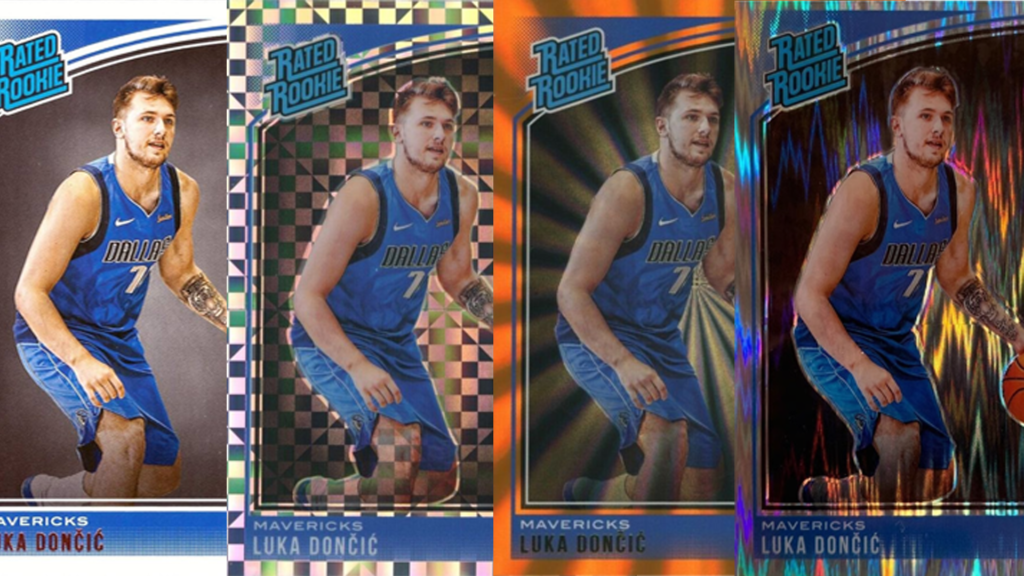
Parallels cards look nearly identical to their base card counterparts, but they feature different colours, patterns, or special effects that make them distinct. Think of them as limited-edition versions of the standard card.
The confusing part when I first started? Understanding the numbering system. When you see a card marked “/99” or “/25,” that means only 99 or 25 copies of that specific parallel exist. The lower the number, the rarer and typically more valuable the card becomes.
Panini’s Prizm line absolutely dominates the parallel game in basketball cards. Silver Prizms are probably the most iconic – they’re shiny, beautiful, and command serious premiums over base cards. I once pulled a Luka Dončić Silver Prizm from a retail pack and nearly fell off my chair. That single card was worth more than the entire box!
Different parallels have different rarity tiers. Common parallels might not be numbered at all, while rare ones go as low as 1/1 (meaning only one exists in the world). Here’s a typical rarity progression you’ll see:
- Base parallel (unlimited)
- Colour variants like Red, Green, Blue (sometimes numbered in the hundreds)
- Lower-numbered pparallel (/99, /75, /49, /25)
- Super rare (/10, /5, /1)
Each brand has its own parallel naming system, which honestly gets ridiculous sometimes. Topps Chrome has Refractors with about fifty different colours, Panini Select has Tie-Dye and Zebra patterns – it’s a collector’s paradise and a nightmare simultaneously. The key is learning which parallels are most desirable for the specific set you’re collecting.
Materials matter too. Chrome cards, printed on chromium stock, create that rainbow refractor effect when you tilt them in the light. It’s genuinely mesmerizing. The first time I saw a properly lit display of refractors at a card show, I understood why people spend thousands on these things.
What Are Insert Cards in Basketball?
Insert cards are special cards randomly inserted into packs alongside the base set. They’re not part of the regular numbered sequence and usually feature unique designs, themes, or special photography that sets them apart.
The hobby refers to these as “chase cards” for good reason – they’re what keep collectors ripping packs hoping for that special pull. I’ve opened countless packs searching for specific inserts, probably spending more than if I’d just bought the singles on eBay. But there’s something about the thrill of the chase!
Pack odds tell you how frequently inserts appear. A ratio of 1:24 means you’ll find one of these inserts, on average, in every 24 packs. Some inserts are even rarer, showing odds like 1:288 or even 1:2,880 for case hits. These astronomical odds create serious value for the lucky collectors who hit them.
Insert sets come in various themes. Some celebrate specific achievements like All-Star selections or championships. Others, like Panini’s Kaboom! inserts, feature explosive artistic renderings of players. Then you’ve got throwback inserts that recreate classic designs from previous decades – Topps has brought back several vintage-style inserts that look absolutely mint.
Short prints (SPs) and super short prints (SSPs) represent another tier of inserts with extremely limited production. These weren’t originally announced in the product checklist, making them surprise discoveries. Finding an SSP feels like winning the lottery, especially if it’s of a popular player.
The current market loves inserts like Stained Glass, Downtown, and Kaboom! variations. Each has developed its own following and price premium. My advice? Focus on inserts that genuinely appeal to you rather than chasing everything. Your wallet will thank you, and you’ll build a more meaningful collection.
Are Autograph Cards Worth More Money?
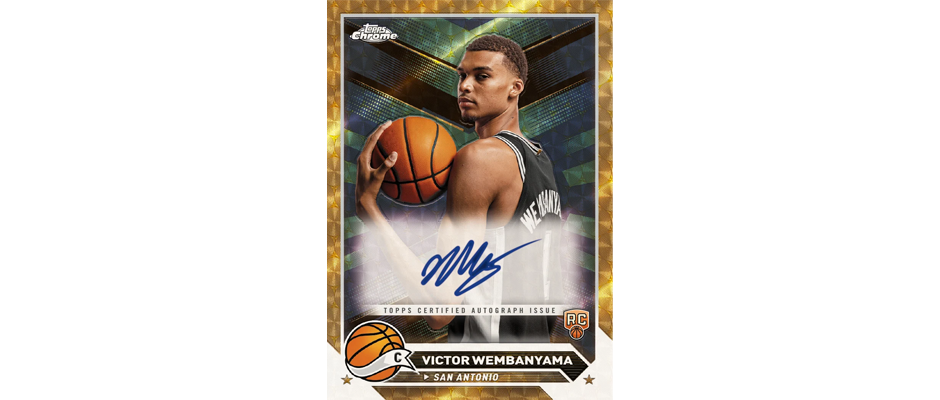
Autograph cards feature actual signatures from players, and yes, they’re almost always worth more than their unsigned counterparts. The autograph market in basketball cards has absolutely exploded over the past few years.
There are two main types of autographs you’ll encounter: on-card and sticker autographs. On-card signatures are signed directly onto the card by the player, while sticker autographs use a pre-signed sticker that’s affixed to the card during production. Collectors generally prefer on-card autographs because they feel more authentic and personal, though both have value.
Rookie Patch Autographs (RPAs) sit at the top of the autograph hierarchy. These cards combine three desirable elements: it’s a rookie card, it has an autograph, and it includes a piece of game-worn jersey with a patch (the multi-coloured team logo portions). An RPA of a star player from brands like National Treasures can fetch thousands or even tens of thousands of dollars.
I remember watching a LeBron James National Treasures RPA sell for over $5 million. Five. Million. Dollars. For a basketball card! That single sale probably did more to legitimize sports cards as alternative investments than anything else in recent history.
Not all autographs are created equal, though. The player obviously matters most such as a Victor Wembanyama autograph is worth exponentially more than a end-of-bench player’s signature. The brand matters too. Upper Deck still holds exclusive autograph rights for Michael Jordan, making their Jordan autos particularly special.
Authenticity is crucial with autographs. Stick to reputable brands like Panini, Topps, and Upper Deck, which have official agreements with the NBA and players. Cards should include some form of authentication, usually a serial number and hologram. Be extremely cautious buying autographs from unknown sources or at prices that seem too good to be true.
The market for autographed cards remains strong, but it’s also become more accessible. You can find autographs of solid NBA players for $20-50, making them achievable for most collectors. Start there before diving into the high-end stuff.
What Are Memorabilia Cards?
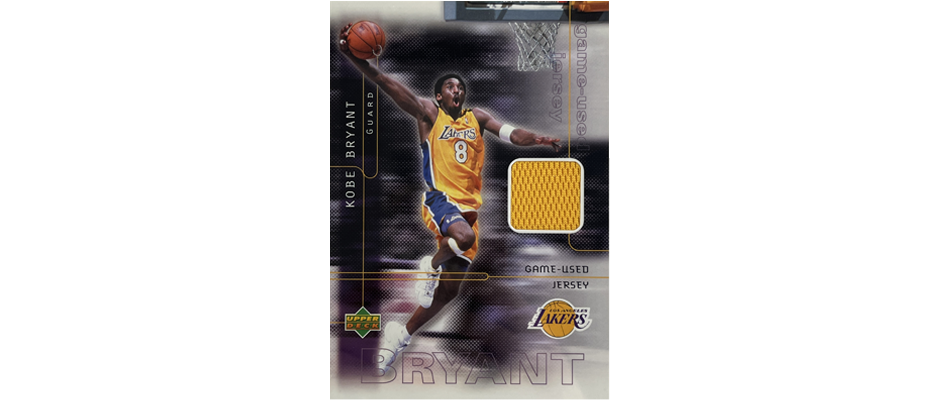
Memorabilia cards (often called “relic cards” or “jersey cards”) contain actual pieces of equipment worn or used by players. We’re talking genuine swatches of game-worn jerseys, shorts, warm-ups, or even pieces of the basketball court.
When I first started collecting, I didn’t quite grasp the appeal of memorabilia cards. It’s just a tiny piece of fabric, right? But then I held a card with a Kobe Bryant jersey swatch, and something clicked. This piece of material had actually been on Kobe during a game. That tangible connection to the player and the sport felt incredibly special.
Memorabilia cards come in several varieties. Standard jersey cards feature small rectangular swatches of solid-colour fabric. Patch cards include portions of the team logo or nameplate, featuring multiple colours – these command significant premiums because they’re visually striking and more limited.
Logoman cards represent the absolute pinnacle of memorabilia cards. These feature the NBA logo from a player’s jersey, and since jerseys only have one logo, only one Logoman card exists per player per jersey (hence the 1/1 designation). A Luka Dončić Logomancard sold for $4.6 million in 2021. Yes, you read that correctly.
One thing to understand: “game-used” doesn’t always mean what you might think. Modern memorabilia cards often use “player-worn” materials, meaning the player wore the item during a photo shoot or event rather than an actual NBA game. It’s still authentic, but not quite the same as pulling a swatch from a jersey worn during the NBA Finals. Always read the fine print on the card back.
The market has become somewhat saturated with memorabilia cards in recent years. Almost every mid-to-high-end product guarantees at least one relic per box. This abundance has decreased values for common jersey cards, though patch cards and unique memorabilia still command strong prices.
For collectors on a budget, jersey cards offer an affordable way to own a piece of your favourite player’s equipment. I’ve picked up jersey cards of Hall of Famers for under $30. They might not appreciate much in value, but they’re brilliant display pieces that connect you to the game in a unique way.
What Does Serial Numbered Mean on Basketball Cards?
Serial numbering indicates how many copies of a specific card exist. The number appears somewhere on the card (usually on the front or back) in a format like “25/99,” meaning this is copy number 25 out of 99 total copies produced.
This numbering system transforms ordinary cards into limited commodities. Scarcity drives value in collectibles, and serial numbering provides concrete proof of that scarcity. It’s simple economics, really – the fewer cards available, the more collectors might pay to own one.
I’ve made the mistake of not checking serial numbers carefully before. I once bought what I thought was a standard parallel card, only to later realize it was numbered /10, meaning only ten existed! That card ended up being worth five times what I paid because I’d spotted it in a discount bin where someone hadn’t recognized its rarity.
Different number ranges carry different values and prestige. Here’s generally how the market views various print runs:
- /999 to /299: Limited but fairly accessible
- /99 to /50: Scarce and desirable
- /49 to /25: Very scarce, commands premiums
- /10 and lower: Extremely rare, highly sought after
- /5: Elite rarity
- 1/1: Unique, one-of-a-kind card
The specific number on your card can matter too! Card #1/99 or #99/99 often carries extra value as “bookend” numbers. If your card number matches the player’s jersey number (like having a LeBron card numbered 23/99), that’s called a “jersey number match” and collectors will pay premiums for it.
Location of the serial number varies by manufacturer. Panini typically places them on the front in small print, while Topps often puts them on the back. Some cards use foil stamping, others print directly on the card. Always photograph your serial numbers when cataloguing your collection – it proves authenticity and helps with insurance if needed.
One quirk I’ve noticed: not all serial numbered cards are necessarily valuable. A card numbered /99 of a bench player might be worth less than an unnumbered base card of a superstar. The player and the specific card type matter more than numbering alone, though obviously a serial numbered LeBron beats an unnumbered one every time.
Which Basketball Card Brands Are Best to Collect?
The basketball card landscape has shifted dramatically over the years, with different manufacturers holding exclusive licenses at various times. Understanding the major brands helps you make informed collecting decisions.
Panini held exclusive NBA licensing rights from 2009 through the 2024-25 season, making them the dominant force in modern basketball cards. Their flagship products include Prizm, Donruss Optic, Select, and the ultra-premium National Treasures. Honestly, if you’re collecting modern basketball cards, you’re almost certainly collecting Panini products. They’ve established themselves as the standard.
Topps regained exclusive NBA licensing starting with the 2025-26 season, marking their return after a 15-year absence. Their Topps Chrome Basketball release generated massive excitement, with collectors eager to see the chrome treatment applied to current rookies. I grabbed a few hobby boxes on release day, and the demand was absolutely mental – sold out within hours.
Upper Deck no longer produces NBA-licensed cards, but they maintain exclusive autograph rights for Michael Jordan. This means any officially licensed Jordan autograph card you find will be Upper Deck. Their vintage basketball releases from the 1990s and early 2000s remain highly collectible, particularly the 2003-04 Exquisite Collection that featured the LeBron James Logoman RPA.
Fleer doesn’t exist as an independent company anymore (Upper Deck owns the brand), but their legacy in basketball cards is legendary. The 1986-87 Fleer Basketball set containing Michael Jordan’s rookie card is arguably the most important basketball card set ever produced. A PSA 10 Jordan from this set can fetch hundreds of thousands of dollars.
For modern collecting, focus on Panini and Topps products. Different product lines target different collector segments:
- Budget-friendly: Hoops, Donruss
- Mid-range: Prizm, Select, Chronicles
- High-end: National Treasures, Flawless, Immaculate
Each product line offers different experiences. Hoops gives you lots of cards for your money, great for completing sets. Prizm delivers that perfect balance of quality and value, with beautiful chrome cards and decent hit rates. National Treasures costs an absolute fortune ($500+ per box), but delivers premium autographs and memorabilia.
My collecting strategy focuses primarily on Prizm for modern cards and vintage Topps for older players. This gives me quality across eras without breaking the bank. Find your own sweet spot based on your budget and what excites you most about the hobby.
What Is the Difference Between Hobby and Retail Boxes?
Hobby boxes are sold exclusively through local card shops, hobby online retailers like Blowout Cards, and directly from manufacturers. They’re designed specifically for serious collectors and typically contain more premium content. Think guaranteed autographs, memorabilia cards, and numbered parallels.
I learnt about this difference the expensive way. I bought what I thought was a great deal on a box at a big-box retailer, only to later realise hobby boxes of the same product contained twice as many hits. Felt really gutted when I worked out what I’d missed!
Retail boxes are sold at mainstream stores like Target, Walmart, and supermarkets. They’re more affordable but contain fewer premium cards. You might get an autograph if you’re lucky, but it’s not guaranteed. Retail products come in various formats: blaster boxes, value boxes, hanger packs, and cello packs.
Here’s a comparison table showing typical differences:
| Feature | Hobby Box | Retail Box |
|---|---|---|
| Price | $150-$600+ | $20-$100 |
| Guaranteed Autos | Usually 1-4 | Often 0 (sometimes 1) |
| Memorabilia Cards | Common | Rare |
| Numbered Parallels | Many | Few |
| Exclusive Parallels | Yes (specific colours) | Yes (different colours) |
| Best For | Serious collectors | Casual fans, budget collectors |
| Where to Buy | Card shops, hobby retailers | Big-box stores, retail chains |
Some products offer exclusive parallel colours depending on the format. For example, Prizm might have Red Wave parallels exclusive to hobby, while retail gets Blue Velocity parallels. This creates interesting collecting challenges if you’re chasing complete rainbow sets.
Retail has one major advantage: accessibility and lower barrier to entry. You can grab a $25 blaster box at Target and experience the thrill of ripping packs without mortgaging your house. When I’m introducing friends to the hobby, I always start them with retail products.
Hobby boxes deliver better value for serious collectors hunting premium cards. The guaranteed hits and higher-quality content justify the price increase if you’re building a substantial collection or looking for investment-grade cards.
My recommendation? Try both and see what fits your style. I buy retail when I want a fun, low-stakes rip, and hobby when I’m serious about adding premium cards to my collection. There’s room for both approaches.
How Do I Know If My Basketball Card Is Rare?
Determining card rarity involves several factors beyond just looking at the card itself. Understanding these elements helps you identify potential gems in your collection.
Serial numbering provides the most obvious rarity indicator. As we discussed earlier, any card with a serial number is inherently limited in supply. The lower the number, the rarer the card. A card numbered /10 is demonstrably rarer than one numbered /999.
Short print variations (SPs and SSPs) represent another rarity category. These cards were intentionally produced in smaller quantities than base cards but might not carry serial numbers. Identifying SPs sometimes requires consulting online checklists on sites like Cardboard Connection or Beckett to learn which cards in a set are short-printed.
I once spent three months hunting for a specific SSP insert before finally finding one at a reasonable price. The card wasn’t numbered, but information from collector communities revealed that only a few hundred existed. That knowledge helped me recognize its value when I finally spotted it.
Grading population reports offer incredible insights into true rarity. Companies like PSA and BGS track how many of each card they’ve graded and at what condition level. You might find that thousands of a card exist in raw form, but only a handful have achieved Gem Mint 10 grades. Those high-grade examples become the truly rare versions.
PSA’s CardFacts database is brilliant for this research. I use it constantly to check population reports before making significant purchases. If I’m looking at a card with only 15 PSA 10 examples existing, I know I’m dealing with genuine scarcity.
Market research through eBay sold listings helps you understand both rarity and value simultaneously. Search for your specific card, filter results to “Sold Items,” and see what prices it actually fetches. Rare cards with few sold listings often command premiums. Cards with hundreds of recent sales probably aren’t that rare, even if they’re serial numbered.
Several factors combine to create rarity:
- Low print run (serial numbering)
- Grading population (few high-grade examples)
- Short print designation
- Limited distribution (retail vs hobby exclusives)
- Case hits (only 1-2 per case)
Product tier matters too. Cards from premium products like National Treasures or Flawless are inherently rarer because fewer boxes exist compared to mass-produced products like Hoops.
One mistake I see beginners make constantly: assuming age equals rarity. My mate showed me his “rare” 1990s commons worth basically nothing because millions were printed during the junk wax era. Meanwhile, a modern card serial numbered /5 is demonstrably rarer than most vintage cards.
For Australian collectors, the Cherry Collectables blog provides excellent resources for understanding the local market and identifying valuable cards. They’ve helped me navigate the hobby from down under more than once.
Collecting Victory: Your Basketball Card Journey Starts Now
We’ve covered a proper mountain of information about basketball card types, from basic base cards to those eye-watering million-dollar Logomans. Understanding these distinctions transforms you from someone who “buys cards” into an actual collector who knows what they’re chasing and why.
Here’s the beautiful thing about basketball cards: there’s genuinely something for everyone. Budget-conscious collectors can build impressive sets of base cards and affordable parallels. Meanwhile, investors with deeper pockets can chase premium autographs and rare memorabilia cards. The hobby accommodates all approaches.
My advice? Start with what excites you personally. Love a specific player? Chase their cards across different sets and years. Drawn to the artwork on inserts? Focus your collection there. Want investment potential? Research young rookies showing promise and established stars with Hall of Fame trajectories. There’s no single “correct” way to collect.
Remember that basketball cards should be fun first and investments second. I’ve seen too many collectors stress themselves out chasing market trends and missing the pure joy of owning cards of players they genuinely admire. Yes, be smart about your purchases, but don’t forget why you started collecting in the first place.
One crucial reminder: never invest more than you can comfortably afford to lose. The basketball card market can be volatile, with values fluctuating based on player performance, market conditions, and collector trends. Treat cards as a long-term hobby rather than a get-rich-quick scheme, and you’ll find much more satisfaction in the journey.
Now I want to hear from you! What’s your favourite type of basketball card to collect? Are you a Prizm parallel hunter, an autograph chaser, or a vintage set builder? Drop a comment below sharing your collecting passion – I love connecting with fellow enthusiasts and learning what draws different people to this amazing hobby.
Welcome to the community. Happy collecting, and may your packs always contain that special hit you’re hoping for!
Great info feel like I understand the whole card collection thing thanks alot
Thanks Eric! I’m glad that my posts are giving back to the community!