Disclaimer: As an Amazon Associate I earn from qualifying purchases from our site. Thank you for your support!
Remember when your mum threw out that shoebox of basketball cards from the 90s? Yeah, those “worthless” pieces of cardboard might’ve paid for a house deposit today. The basketball card market has exploded and we’re talking $27.5 billion projected by 2033. What started as bubble gum pack-ins has transformed into a legitimate alternative investment class alongside stocks and property.
I got into collecting back in 2003 when I pulled a LeBron James rookie from a random retail pack. My hands literally shook. Fast forward two decades, and that same card fetches thousands of dollars. The hobby’s evolved massively since then, from the Panini era to Topps‘ triumphant return in 2025, from raw cardboard to professionally graded slabs worth more than used cars.
Whether you’re chasing Cooper Flagg rookies, hunting vintage Michael Jordan cards, or simply want to own pieces of basketball history, this comprehensive guide covers everything. We’ll dive into card brands, parallel variations, rookie identification, investment strategies, authentication, storage, and the current market landscape. Think of this as your complete basketball card playbook.
Understanding Basketball Card Collecting Basics: What Makes Cards Valuable?
Not all basketball cards are created equal. Some are worth cents, others command six figures. Understanding what separates valuable cards from bulk commons is fundamental to smart basketball card collecting.
Rookie cards form the foundation of value. These are cards from a player’s first officially licensed set during their NBA rookie season. Cooper Flagg’s 2025-26 Topps rookie cards are generating massive buzz because he’s a generational talent and the #1 draft pick. Rookie cards hold value because there’s only one rookie season, so scarcity combined with nostalgia creates demand.
Player performance directly impacts card values. Star players command premiums. A bench warmer’s rookie might be worth $2, while a Hall of Famer’s could hit $10,000+. Performance matters too, since Cooper Flagg became the youngest player to score 40 points in an NBA game at just 18, instantly boosting his card values.
Card condition makes or breaks value. A pristine card can be worth 10 times more than the same card with dinged corners or surface scratches. This is why grading exists, a PSA 10 LeBron rookie sells for multiples of a PSA 8. Condition is king.
Rarity features separate premium cards from base cards. Numbered cards show serial numbers like “15/25” meaning only 25 exist. Lower numbers equal higher values. Autographed cards feature player signatures such as on-card autographs (signed directly) command more than sticker autos (signed stickers applied later). Game-used memorabilia cards contain actual jersey pieces, patches, or even court floors. RPA cards (Rookie Patch Auto) combine all three elements with a rookie card, patch, and autograph, thus becoming the holy grail for collectors.
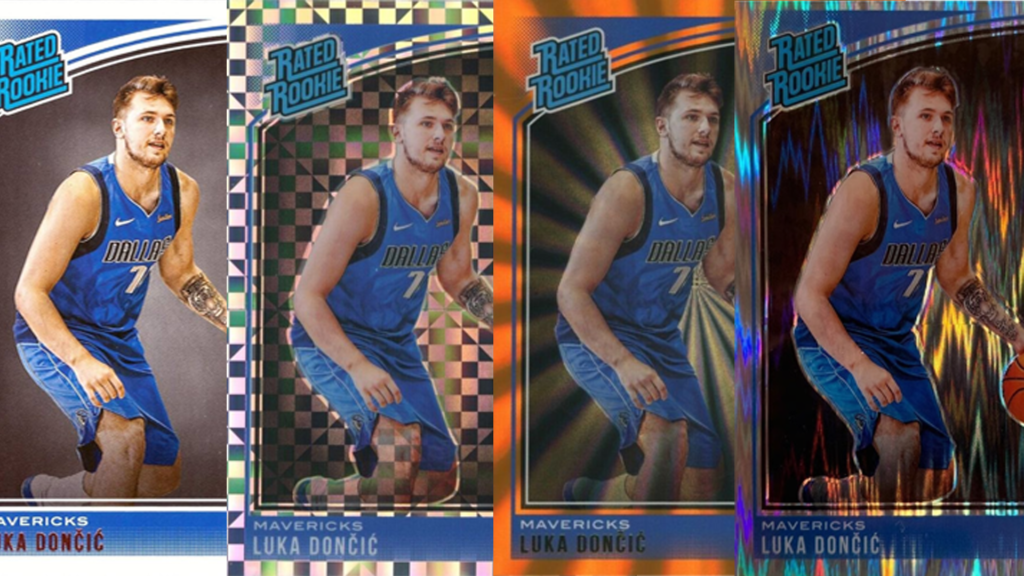
Parallel cards are variations with different colours or finishes. Base cards have dozens of parallel versions. Topps offers Gold (/2025), Black (/68), and ultra-rare Superfractors (1/1). Refractors feature special coatings creating rainbow effects in light. Collectors chase complete rainbow sets of their favourite players.
Brand and set matter significantly. Flagship Topps and Topps Chrome rookie cards are considered standard “RCs” for long-term value. Premium products like National Treasures and Flawless offer high-end hits but come with $400-$3,000 box prices. Not all cards appreciate equally, so please research which sets hold value.
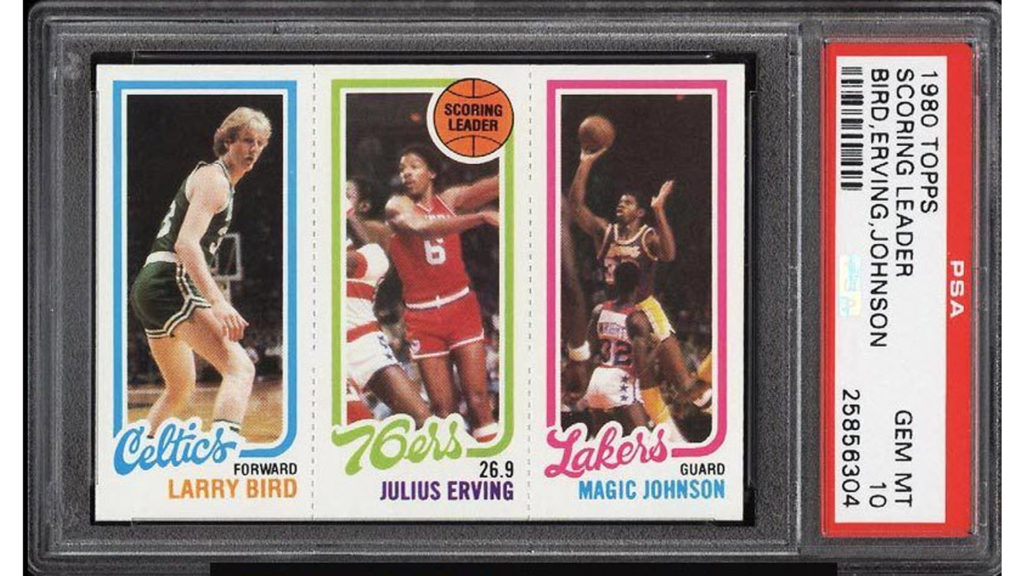
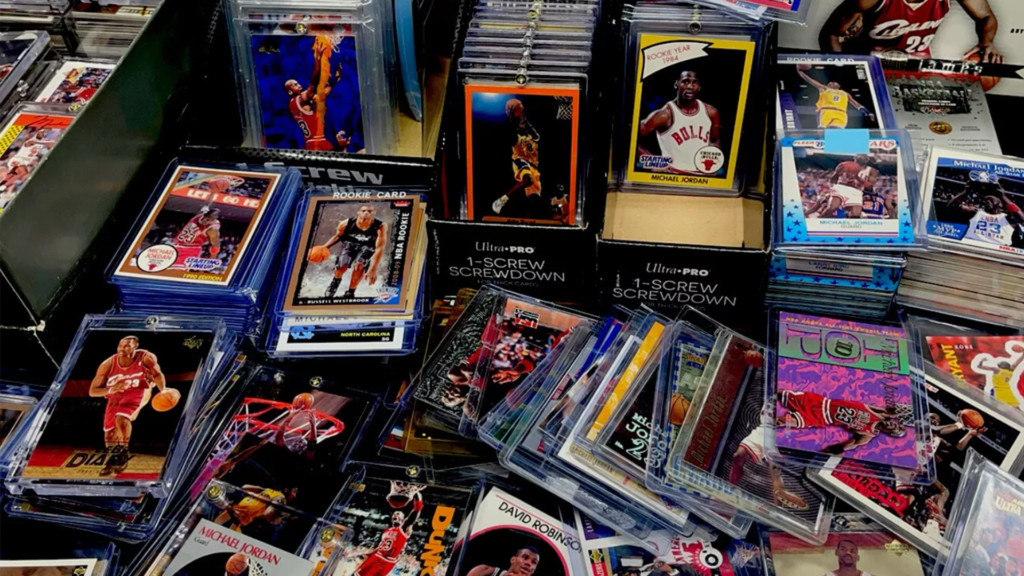
Era impacts value differently than you’d expect. Many late 80s and 90s cards, also called the “Junk Wax” era, are nearly worthless due to overproduction. Exceptions exist for superstars like Jordan, Magic, Bird, Shaq, Kobe, and Iverson. Modern cards (2000+) actually command higher prices thanks to built-in scarcity through numbered parallels. Vintage pre-1980 cards in high grades can be incredibly valuable.
I made the mistake early in collecting of assuming older automatically meant valuable. Bought a box of 1991 Hoops thinking I’d struck gold. Those cards are worth about $20 total for hundreds of cards. Learn from my error, age alone doesn’t guarantee value.
The current market has unique dynamics. Topps returned to basketball for 2025-26 with exclusive licensing, ending Panini’s 16-year run. This shift creates interesting opportunities. Panini rookies from 2009-2025 remain historically significant. Topps rookies from 2025 onward will become the new standard. Both have value, just different contexts.
Understanding these basics helps you evaluate whether that card you’re eyeing is worth $5 or $500. Don’t get caught up in hype without knowing fundamentals. The market rewards knowledge.
Card Brands Explained: Topps, Panini, and the Licensing Landscape

The basketball card collecting brand landscape has undergone seismic shifts. Understanding who makes what and when helps you navigate the market intelligently.
Topps currently holds exclusive NBA licensing for 2025-26 and beyond. This is massive news since Topps produced NBA cards from 1957-1981 and 1992-2009 before losing the license. Topps announced Cooper Flagg as the cover athlete for the 2025-26 collection, marking their return to basketball prominence. Collectors who grew up with Topps baseball are thrilled to see the brand back in basketball.
Topps flagship products offer accessible entry points. The 2025-26 Topps Basketball base set features 300 cards including rookies, stars, and legends. Hobby boxes run $100-150 and guarantee autograph or relic hits. It’s solid for beginners. Topps Chrome takes things up a notch with chromium card stock and refractor technology. The 2025-26 Topps Chrome Basketball features on-card autographs including rookies like Cooper Flagg, Dylan Harper, and Ace Bailey, plus players like Victor Wembanyama and LeBron James. Chrome rookies rival Panini Prizm in importance.
Panini dominated NBA cards from 2009-2025, producing beloved brands that defined modern collecting. Even though they’ve lost exclusive NBA licensing, Panini can still produce cards through NBA Players Association agreements, just without team logos or names. This creates an interesting secondary market.
Panini Prizm was THE basketball product for over a decade. Prismatic refractor-style parallels in countless colour variations became the default “must-have” rookies. Silver Prizms, especially in PSA 10, command premium prices. Even without exclusive licensing going forward, Prizm maintains strong collector loyalty.
Panini National Treasures represents ultra-premium territory. Thick patch cards, on-card autographs, and exquisite designs come in boxes costing $400-600+. These aren’t casual collector items either, they’re investment pieces. I once opened a National Treasures box and pulled a LeBron patch auto worth more than the box cost. That rush keeps people coming back.
Panini Flawless sits at the pinnacle of basketball card luxury. Boxes run $2,000-3,000+ for just 10 cards. Every card is a hit, whether it’s autographs, patches, or even actual gold bars embedded in cards. It’s obscene luxury. Not for casual collectors, but the secondary market for these cards is strong.
Historical brands add context to vintage collecting. Fleer revolutionised the hobby in the 1980s, breaking Topps’ monopoly. The 1986-87 Fleer set containing Michael Jordan’s rookie card is legendary as PSA 10 examples sell for six figures. Upper Deck brought premium quality and innovation in the 90s with hologram technology and superior card stock. Skybox and Hoops also played significant roles in basketball card history.
Understanding retail versus hobby boxes matters for purchasing decisions. Retail boxes sold at Target and Walmart cost less but contain fewer premium hits. Hobby boxes sold at card shops are pricier but offer better odds of pulling autographs, relics, and numbered parallels. Most serious collectors focus exclusively on hobby boxes where odds are transparent and hits are guaranteed.
The 2025-26 season marks a watershed moment. Victor Wembanyama’s first-ever autographs in a Spurs jersey appear in Topps Basketball, creating historic collector items. LeBron James autographs are now available in Topps products too. The licensing change creates unique opportunities for collectors who understand the landscape.
My advice? Don’t completely dismiss Panini products from 2009-2025. Those Prizm rookies, National Treasures patches, and Flawless autographs represent 16 years of basketball card history. They’ll retain value. Simultaneously, jump on Topps products early—being first to the new licensing era has advantages.
Research specific products before buying. Not all boxes are created equal. Some offer better value propositions than others. Read reviews, watch box break videos, and understand odds before spending hundreds on sealed product.
Identifying Rookie Cards: What Qualifies and Why They Matter?

Rookie cards are the cornerstone of basketball card collecting. Understanding what actually qualifies as a rookie card saves you from expensive mistakes.
Official rookie cards come from a player’s first fully licensed NBA set. For players drafted in 2025, their 2025-26 Topps cards are official rookies. Timing matters as some players appear in college sets or international products first, but those aren’t considered “true” NBA rookies. Licensed NBA products during their rookie season, that’s the standard.
Cooper Flagg’s card is #201 in the 2025-26 Topps Basketball set. That base rookie card will be the benchmark for his collecting career. Numbered parallels, autographs, and special inserts from that same set are all considered rookie cards too, just premium versions.
Pre-rookie cards exist but occupy different space. College cards, international cards, or prospect sets release before NBA debuts. These have value to niche collectors but typically don’t command the same premiums as official NBA rookies. Don’t confuse them and be specific about what you’re buying.
Multiple rookie cards from one season all technically qualify. A player might have a base Topps rookie, a Topps Chrome rookie, a Prizm rookie (if Panini still produced that year), and various insert rookies. All are “rookie cards” but values vary significantly. Chrome and Prizm rookies typically command higher prices than base flagship rookies.
RPA cards (Rookie Patch Auto) are the pinnacle. These combine three premium elements: it’s a rookie card, contains a game-worn patch, AND features an autograph. RPAs from products like National Treasures or Immaculate are six-figure cards for superstar players. They’re rare, expensive, and highly coveted.
The “RC” logo helps identification. Licensed NBA products place a small “RC” icon on rookie cards. Look for this when purchasing—it confirms you’re getting an actual rookie card, not a second-year card or reprint.
Why do rookie cards matter so much? Several factors drive their importance. Scarcity plays a huge role as players only have one rookie season, making those cards unique snapshots of their career beginnings. Nostalgia drives long-term value as collectors want cards from when their favourite players entered the league. Investment potential is real and buying promising rookies cheap and holding them as players develop into superstars generates substantial returns.
Cooper Flagg and Dylan Harper headline the 2025-26 Topps Basketball rookie class, with supporting rookies like Kon Knueppel, Ace Bailey, Tre Johnson III, and Egor Demin generating strong collector interest. These are the names to watch.
Short prints (SP) and super short prints (SSP) add another layer. Some rookie cards within sets are printed in smaller quantities, making them rarer than base rookies. These command premiums. Photo variations such as alternate images of the same card can create scarcity. Research whether specific rookies have SP or SSP variations before purchasing complete sets.
Market dynamics favour rookies. When a player goes off for 40 points, their rookie card prices spike. Winning Rookie of the Year multiplies values overnight. Playing time, team success, highlight plays – everything impacts rookie card prices in real-time. Stay informed about player performance if you’re collecting recent rookies.
Long-term, rookie cards from Hall of Fame players appreciate most consistently. That LeBron James 2003 Topps Chrome rookie? Up several thousand percent since release. The same pattern holds for Jordan, Kobe, Durant, Curry, those rookie cards of transcendent talents appreciate dramatically over decades.
Focus your rookie collecting on players you believe in. Don’t chase every hyped prospect. Pick 3-5 rookies per year you think will become stars, buy their base and one numbered parallel, then hold. This focused approach prevents overspending while building meaningful positions in players with upside.
Parallel Cards and Variations: Understanding the Rainbow
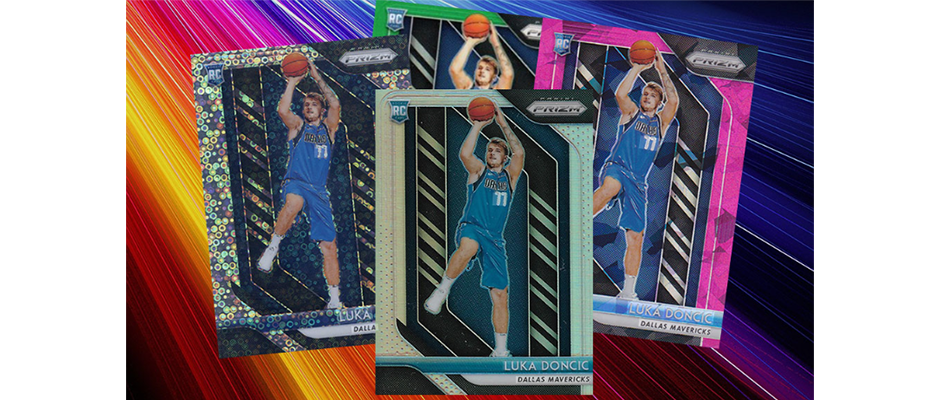
Modern basketball cards feature mind-boggling parallel structures. Understanding parallels helps you navigate pricing and rarity.
Base cards are standard versions with no special numbering or features. Every player in a set has a base card. These are most common and least valuable (usually $1-5 for stars, cents for role players).
Numbered parallels feature serial numbers showing total print run. The format is “card number/total printed.” For example, “15/25” means you have card #15 out of only 25 total cards produced. Lower numbers don’t mean higher value within the same parallel (being 1/25 versus 25/25 doesn’t matter much), but lower total print runs dramatically increase value.
Topps colour parallels follow rainbow structures. In 2025-26 Topps Chrome, you’ll find: Blue (/150), Green (/99), Purple (/75), Gold (/50), Orange (/25), Black (/10), Red (/5), and Superfractor (1/1). Collectors chase complete “rainbows” containing every parallel of one player, it’s an expensive but satisfying goal.
Refractors use chromium technology creating prismatic light effects. Hold a refractor at different angles and watch colours dance across the surface. Base refractors aren’t numbered. Coloured refractors combine the visual effect with limited print runs. Refractor technology elevates card aesthetics dramatically.
One-of-ones (1/1) represent ultimate rarity. Only one exists in the world. Superfractors, printing plates, and special edition cards hit 1/1 status. Prices can be absurd, for example a 2025-26 Topps New School Foilfractor #NS1 Cooper Flagg 1/1 sold for $7,055. True 1/1s command premiums from players’ personal collectors willing to pay anything to own something unique.
Photo variations use alternate images than base cards. These aren’t numbered but are printed in lower quantities than base versions. Identifying photo variations requires memorising images or checking checklists. Topps brings Golden Mirror photo variations to the 2025-26 basketball release, creating chase cards within flagship products.
Short prints (SP) and super short prints (SSP) indicate intentionally reduced print runs without specific numbering. An SSP might have 100-500 copies versus thousands for base cards, but exact numbers aren’t printed on cards. These create artificial scarcity that collectors love chasing. A 2025-26 Topps Cooper Flagg Rookie Photo Shoot Auto SSP sold for $2,700.
Insert sets are separate card designs within products. Think of them as mini-sets with their own aesthetic. Inserts often feature themes like “All-Stars” or “Rookie Showcase.” The 2025-26 Topps All Kings SP insert featuring Cooper Flagg sold for $2,025, showing strong market demand for premium inserts.
Understanding parallel structures helps you make smart buying decisions. Don’t overpay for common base cards when low-numbered parallels offer better long-term value. Conversely, don’t assume every numbered card is valuable for example a 2,025-count Gold parallel of a bench player probably isn’t worth much.
I focus my parallel collecting on favourite players. Instead of chasing every parallel of every player, I build player rainbows. Completed rainbows look stunning displayed together and hold value better than scattered random parallels.
Pay attention to colour matching. Orange parallels of players whose teams feature orange (like the Knicks) command premiums. Black parallels for teams like the Spurs do the same. Collectors love team-colour-matched parallels.
The parallel market can be overwhelming. My advice? Start simple with base rookies. Once you understand the market, begin targeting Gold (/50) or Black (/10) parallels of your favourite players. These hit the sweet spot between affordability and meaningful scarcity.
Don’t get paralysis by analysis. Yes, there are 20+ parallel versions of some cards. No, you don’t need them all. Pick specific parallels that fit your budget and collecting goals, then pursue those strategically.
Autographed and Memorabilia Cards: Premium Collectibles
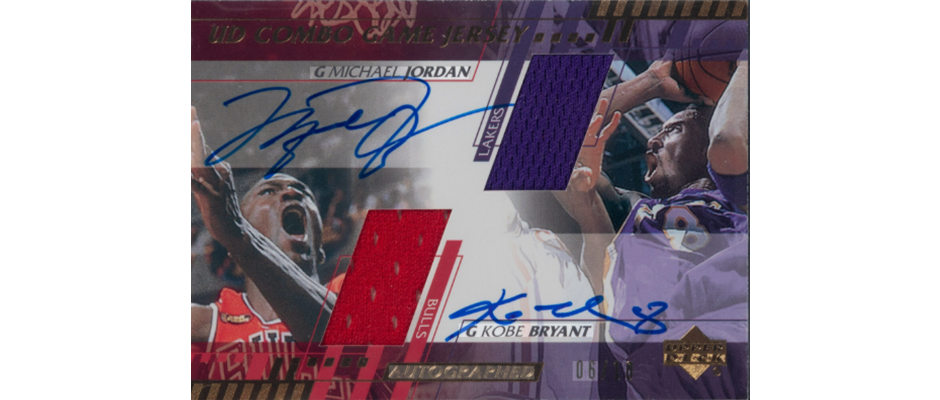
Autographed and memorabilia cards represent premium segments of the hobby. Understanding these cards helps you evaluate whether they’re worth the investment.
On-card autographs are signed directly on the card surface by players. These are most desirable because they’re authentic signatures applied by the player themselves. The 2025-26 Topps Chrome features on-card autograph refractors, with players actually signing the chromium surface. Watching the ink glisten on a chrome refractor auto is beautiful and these cards feel special.
Sticker autographs feature signatures on stickers later applied to cards. These are less desirable than on-card autos, though still valuable. Card companies use stickers when players can’t attend signing sessions or for cost efficiency. The market values on-card autos 20-50% higher than equivalent sticker autos.
Autograph numbering matters significantly. Low-numbered autographs (/10, /5, /1) command massive premiums over higher print runs (/99, /150). An autograph numbered /5 might sell for triple what a /99 auto sells for, therefore scarcity drives pricing aggressively in the autograph market.
Memorabilia cards contain game-used or player-worn materials. Jersey cards are most common, featuring swatches of actual jerseys. Patch cards contain colourful jersey patches rather than plain jersey sections as these are significantly more valuable. Game-used basketball leather, court floors, warm-up jackets, and even sneaker pieces appear in ultra-premium cards.
Event-used memorabilia comes from specific games or events. All-Star Game jerseys, Finals-worn jerseys, or rookie debut jerseys command premiums over generic “player-worn” materials. Authentication and specificity matter, collectors pay more for documented game-used pieces.
Multi-swatch cards feature pieces from multiple games or jerseys. Triple jersey cards, quad relic cards, or booklet cards (which fold open revealing multiple memorabilia pieces) offer more visual appeal and perceived value than single-swatch cards.
Logoman cards represent the hobby’s pinnacle. These contain the actual NBA logoman patch from player jerseys, the multicoloured NBA logo tag. Since only one logoman exists per jersey, these are incredibly rare. Victor Wembanyama’s first licensed autographs in a Spurs jersey appear in Topps Basketball products, and his logoman cards are immediately among the most valuable modern cards.
Authenticity is crucial with autographed and memorabilia cards. Only buy from reputable sealed products or authenticated slabs. Forgeries exist, especially for vintage autographs. Modern cards from licensed products include authentication holograms and are generally safe.
Dual autographs feature two player signatures on one card. Rookie dual autos pairing two draft classmates or legend combinations (Jordan/LeBron) command premiums. The card’s appeal multiplies when multiple players sign together. A 2025-26 Topps Cooper Flagg Holiday Dual Patch Relic featuring Flagg and Dylan Harper sold for $1,250.
I pulled my first patch autograph from a National Treasures box years ago, it was a three-colour patch with crisp on-card signature. The tactile experience of holding that thick card, seeing actual game-worn material, and owning a unique piece of memorabilia hooked me instantly. These aren’t just cards – they’re artefacts.
Be cautious with memorabilia cards. “Game-used” doesn’t always mean worn in actual games as it might mean “player-worn” during photo shoots or practice. Read fine print on card backs. True game-used materials from significant games command premiums over generic player-worn swatches.
Premium autograph and memorabilia cards hold value better than base cards during market corrections. When the market dipped in 2022, my rare patch autos maintained value while base rookies dropped 50%+. Premium cards have built-in scarcity protecting against volatility.
Don’t overpay for common jersey cards though. A basic single-colour jersey swatch of a role player? Worth $5-10 maximum. Save your money for patches, low-numbered autos, or game-used pieces from significant players and moments.
Building Your Collection: Strategies for Success
Collection building requires strategy, not just random purchases. Here’s how to build intelligently.
Define your basketball card collecting purpose first. Are you collecting for investment, personal enjoyment, or both? This determines everything else. Investment collectors focus on rookie cards of promising players, low-numbered parallels, and cards with appreciation potential. Personal collectors chase favourite players, teams, or eras regardless of investment value. Most collectors blend both approaches.
Set a realistic budget before starting. Decide monthly or yearly spending limits and stick to them. I allocate $200 monthly for cards, it’s enough to grab a hobby box or several singles without impacting essential expenses. Your budget might be $50 or $500 – just be consistent and realistic.
Choose a collecting focus to prevent collection sprawl. Options include: player collecting (chasing one player’s cards), team collecting (all players from your favourite team), rookie collecting (current year rookies), vintage collecting (pre-1980s cards), set building (completing entire sets), or PC (personal collection of cards you simply love). Focused basketball card collecting prevents overspending on random cards that don’t fit cohesive goals.
Research before buying anything significant. Check recent eBay sold listings, review population reports for graded cards, and understand market trends. Don’t impulse buy expensive cards, sometimes sleep on it, do research, then decide. I’ve saved thousands by researching before purchasing rather than buying emotionally (although it happens occasionally!).
Start with base rookies if you’re new. Don’t immediately chase $500 parallels. Build your knowledge foundation with affordable base rookie cards of players you believe in. Learn the market, understand pricing dynamics, then graduate to premium cards. Rushing into expensive purchases without knowledge leads to overpaying.
Buy graded cards for expensive purchases. Raw cards over $100 should be graded or you’re taking condition risk. Graded slabs provide authentication and condition guarantees. Yes, you pay premiums for graded cards, but you also get certainty. For my collection, anything over $200 must be graded.
Diversify your collection across players, eras, and card types. Don’t put all money into one player, if they get injured or underperform, your collection tanks. I keep 60% in established stars (Jordan, Curry, Giannis) and 40% in promising rookies (Flagg, Harper, Wembanyama). This balances stability with upside.
Track your collection using spreadsheets or apps like SportCardPro or Cardboard Connection. Document what you own, purchase prices, current values, and storage locations. This prevents buying duplicates and helps track collection appreciation. Insurance purposes require documentation too.
Network with other collectors. Join online communities like r/basketballcards on Reddit, follow collector accounts on Instagram, and attend local card shows. The basketball card community is incredibly helpful. I’ve learned more from fellow collectors than any guide could teach. Plus, networking reveals trade opportunities and insider tips.
Set completion goals for motivation. Maybe it’s completing a base set, building a player rainbow, or collecting every Lakers rookie from a decade. Goals prevent aimless buying and provide satisfaction when achieved.
Be patient with appreciation. Cards aren’t get-rich-quick schemes. Quality cards appreciate over years, not weeks. I’ve held cards for 5+ years watching them slowly climb. Patience rewards collectors who buy quality and hold.
Avoid FOMO (fear of missing out). Every release brings hype. Not every hyped product or player delivers. Missing out on one product doesn’t matter as there’s always another opportunity. FOMO drives poor decisions and overspending. Stay disciplined.
Sell strategically when ready. Market timing matters. Sell after big player performances when values spike. Sell before potential negative events (injuries, off-season). Use multiple platforms such as eBay, Whatnot, COMC, Facebook groups, card shows, to maximize prices. Don’t panic sell during market dips unless you need the money.
Building a collection is a marathon, not a sprint. Enjoy the process. I’ve had more fun hunting cards, attending shows, and connecting with collectors than I’ve had from the monetary appreciation. Focus on enjoyment first, profits second.
Where Basketball Card Collecting Stands Today
The basketball card market in early 2026 is stronger than ever, despite some normalization from the pandemic boom.
Market size continues growing. The global trading card market is projected to hit $27.5 billion by 2033, growing at 13% annually. Basketball cards represent a significant portion. That’s phenomenal sustained growth suggesting long-term hobby health.
Topps’ return energizes the market. After 15 years away from NBA licensing, Topps brought fresh energy with the 2025-26 release. Cooper Flagg as the cover athlete, Wembanyama’s first Spurs autographs, and LeBron James autographs in Topps products create historic collecting moments.
Digital integration is expanding. NBA Top Shot and other digital collectibles coexist with physical cards. Some collectors embrace both, others stay physical-only. Digital hasn’t cannibalized physical card sales, if anything, it’s brought new collectors to the broader hobby.
Grading services remain crucial. PSA, BGS, SGC, and CGC continue processing millions of cards monthly. Grading turnaround times improved significantly from pandemic backlogs. PSA processed over 1.9 million cards in February 2025 alone, setting new records. This volume indicates robust collector activity.
Investment thesis strengthens. Cards are now recognized alternative assets. Auction houses like Sotheby’s and Christie’s regularly feature high-end cards. Financial publications cover the card market. This mainstream recognition brings new buyers and legitimizes cards as investments.
Rookie classes matter more than ever. The 2025-26 class led by Cooper Flagg and Dylan Harper generates massive excitement. Strong draft classes drive product sales, which benefits the entire hobby ecosystem. Weak draft years create soft markets, but fortunately 2025-26 is strong.
International growth accelerates. Basketball’s global popularity drives international collector interest. European, Asian, and Australian collectors increasingly participate in the market. This expands buyer pools and supports values.
Authentication technology improves. Blockchain verification, NFC chips in slabs, and advanced hologram technology combat counterfeits. As the market grows, protecting authenticity becomes more critical. Companies are responding with better security features.
Market corrections are healthy. After the pandemic bubble burst in 2021-2022, the market corrected 30-50% from peak values. This was necessary and healthy. Markets that only go up aren’t sustainable. The correction shook out speculators while retaining serious collectors. Current pricing feels more rational and sustainable.
Retail availability normalized. Remember when retail shelves were cleared by flippers? That’s largely resolved. You can actually find retail packs at Target again. Improved distribution benefits casual collectors and kids entering the hobby.
Group breaks dominate social collecting. Platforms like Whatnot and eBay Live turned box breaking into live entertainment. Breakers open cases on camera while viewers buy team or player spots. This creates community around collecting and provides access to premium products at lower individual costs.
Content creation drives engagement. YouTube, TikTok, and Instagram feature countless card content creators. Pack opening videos, collection tours, and market analysis educate new collectors while entertaining veterans. This content ecosystem supports hobby growth.
Looking forward, basketball cards are in a strong position. The Topps licensing change creates excitement. Rookie classes appear strong for coming years. Global basketball popularity grows. Digital integration expands reach. These factors support continued market health.
Will there be volatility? Absolutely. Player injuries, economic downturns, or market corrections will happen. But the fundamentals remain strong. People love basketball, collecting satisfies psychological needs, and cards offer tangible connections to the game. That won’t change.
Your Basketball Card Collecting Journey Starts Here
You’ve absorbed a comprehensive foundation of basketball card collecting. From understanding rookie cards to navigating parallel structures, from brand dynamics to collection building strategies – you’re equipped to start or level up your collecting journey.
The most important advice? Collect what you love. Yes, investment potential matters, but cards bringing genuine joy create the most satisfying collections. My favourite cards aren’t my most valuable, some are ones connected to players and moments I care about.
Start small. You don’t need thousands of dollars immediately. Grab a hobby box, buy a few singles of your favourite player, or attend a local card show. Let your collection grow organically. I began with $20 worth of packs and built from there over years.
Stay informed. Follow NBA news, track card values, join collector communities. The market evolves constantly and knowledge prevents costly mistakes. Reddit’s r/basketballcards, Beckett news, and collector Instagram accounts keep you current.
Be patient. Cards appreciate over years, not overnight. Quality cards from quality players held long-term reward patient collectors. Don’t expect quick flips, build positions in players you believe in and hold.
Enjoy the process. Collecting is about more than money. The thrill of pulling a big hit, attending card shows, meeting fellow collectors, and owning pieces of basketball history where those experiences are priceless. I’ve made genuine friendships through collecting.
The basketball card hobby welcomes everyone. Whether you’ve got $50 or $5,000 to spend, there’s a place for you. Whether you’re chasing Cooper Flagg rookies or building vintage sets, the community supports diverse collecting approaches.
Your collection is uniquely yours. Don’t let anyone dictate what you “should” collect. Want to build complete team sets? Do it. Want to chase rainbow parallels of one player? Go for it. Want vintage cards? Start hunting. There’s no wrong way to collect.
Now it’s your turn. Share your collecting goals in the comments below. What players are you targeting? What products excite you most? Are you starting fresh or expanding an existing collection? Let’s build this community together, one card at a time.
Welcome to basketball card collecting. Your journey begins now. Go pull that first pack, buy that first graded card, or attend that first show. The hobby awaits, and trust me, you’re going to love it.
Essential Resources
Grading Services:
- PSA Grading – Industry standard
- Beckett Grading – Subgrade specialists
- SGC Grading – Fast turnaround
- CGC Cards – Modern alternative
Pricing & Market Data:
- Beckett Price Guide – Comprehensive values
- 130 Point – Real-time market data
- SportsCardsPro – Track card values
- eBay Sold Listings – Actual transaction prices
Community:
- r/basketballcards – Active Reddit community
- Blowout Cards Forums – Long-standing collector forum
- Sports Card Radio Podcast – Industry news
Storage Supplies:
Official Sources:
- Topps Basketball
- Beckett News – Product releases
- Cardboard Connection – Comprehensive guides