The first time I pulled a $100 card from a pack, I immediately slapped it into a top loader without thinking twice. Six months later, when I went to sell it, I noticed a tiny corner ding that definitely wasn’t there before. That mistake cost me about $75 in lost value and taught me an expensive lesson about card protection.
The debate between magnetic one-touch holders vs top loaders has raged in collecting communities for years, and honestly, both sides make valid points. I’ve used both extensively across my collection, and the right answer isn’t as straightforward as “one is always better.” It depends on the card’s value, how you plan to store or display it, and frankly, your budget.
In this guide, I’ll break down everything I’ve learnt about these two protection methods. We’ll compare costs, protection levels, display quality, and help you decide which option makes sense for different cards in your collection. Trust me, making the right choice here can save you money and heartache down the road.
What’s the Difference Between Magnetic Holders and Top Loaders?
Let’s start with the basics, because understanding how each protection method works is crucial to choosing between them.
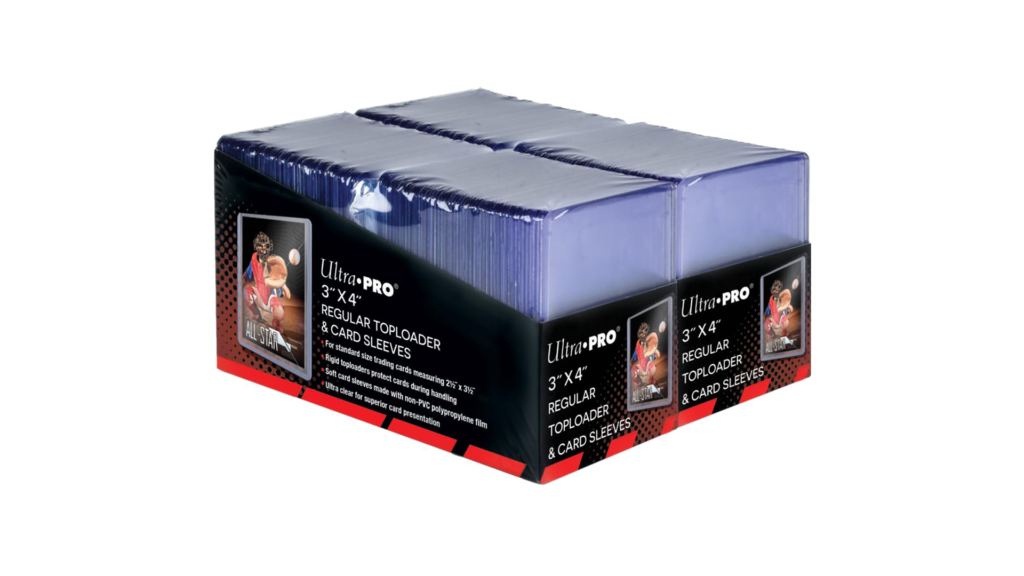
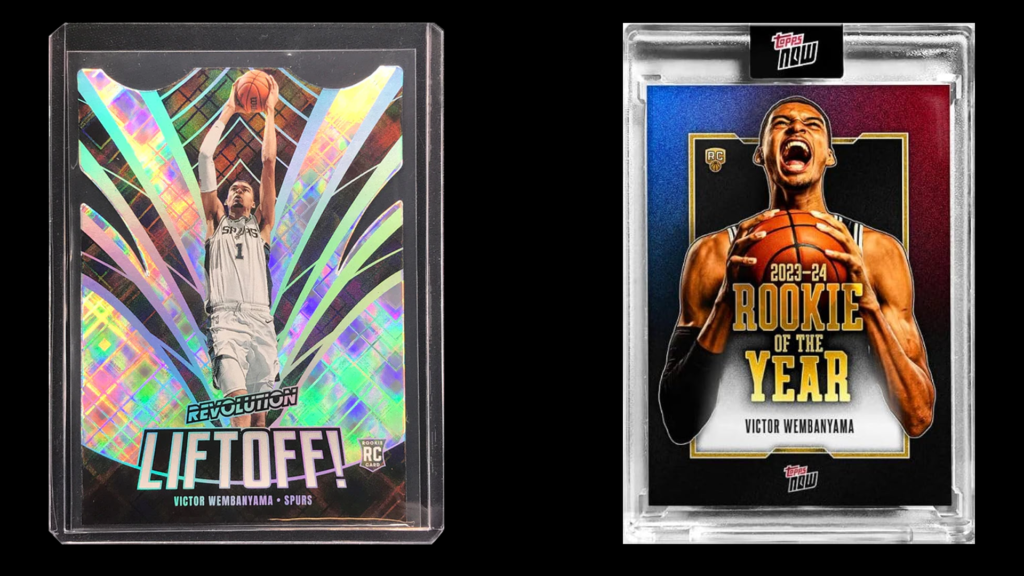
Top loaders are rigid plastic holders with an open top that’s been the hobby standard for decades. You slide a penny-sleeved card into the top loader from the open end, and the rigid plastic provides protection on all sides except the top. They’re made from clear plastic (ideally acid-free polypropylene or PET), cost pennies each, and have been protecting cards since before I started collecting.
I’ve got thousands of cards in top loaders, and they work brilliantly for everyday protection. The open-top design means you can easily insert and remove cards, which is handy when you’re constantly reorganising or upgrading your collection. However, that open top is also the biggest weakness—dust, moisture, and physical impacts can affect the card through that opening.
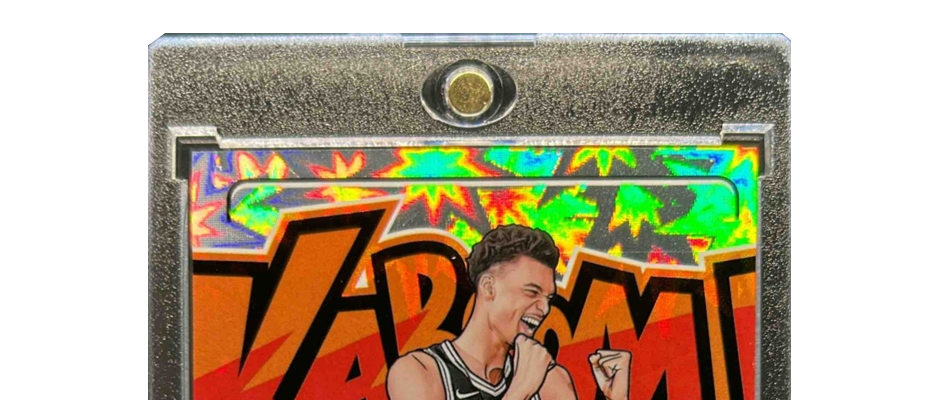
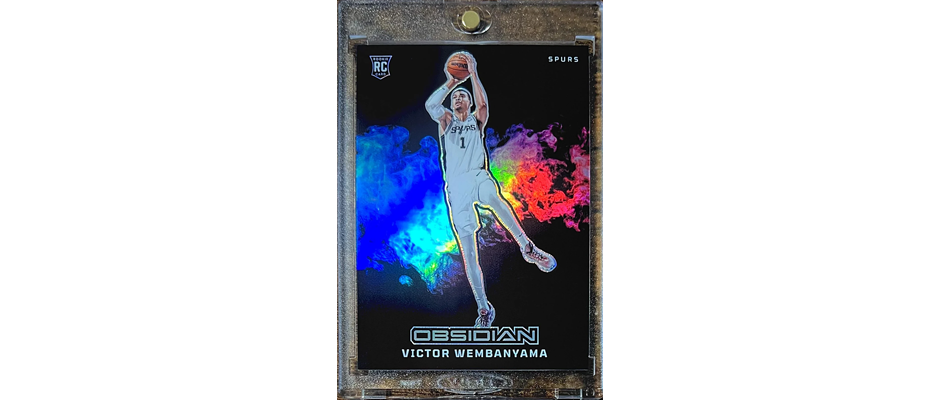
Magnetic one-touch holders (often just called “one-touches” or “mags”) are completely different beasts. These holders consist of two pieces of rigid acrylic that snap together using magnets, creating a fully enclosed case around your card. The front piece usually has a hinge at the bottom, and when you lift it up, magnets at the top pull the two pieces firmly together.
The construction difference is immediately obvious when you hold both. Magnetic holders are made from stronger, thicker plastic than top loaders, giving them a more solid and durable feel similar to a graded card slab. When I first switched to magnetic holders for my premium cards, the difference in build quality was night and day.
One-touches also completely encapsulate the card, unlike top loaders. This full enclosure provides better protection from dust, moisture, and environmental factors. The magnetic closure ensures the card stays firmly in place without shifting around, which can be an issue with top loaders if you’re handling them frequently.
According to Display Zone, magnetic holders provide optimal protection for trading cards and are a preferred choice amongst collectors, securing cards in place whilst allowing easy access and display. However, they come at a significant cost premium compared to top loaders.
Do Magnetic One-Touch Holders Actually Protect Better Than Top Loaders?
This is the million-dollar question, and after years of using both, my answer is: yes, but with important caveats.
From a pure physical protection standpoint, magnetic holders win. The thicker acrylic construction means they’re much more resistant to impact damage. I once dropped a box containing both top loaders and magnetic holders down a flight of stairs (long story, don’t ask), and whilst several top loaders cracked, all the magnetic holders survived intact. The cards inside the magnetic holders were completely unharmed.
The full enclosure also provides better environmental protection. Top loaders have that open mouth at the top, which means dust, humidity, and even small insects can potentially reach your card. I’ve pulled cards out of top loaders after a year in storage and found a fine layer of dust on the card surface. With magnetic holders, this simply doesn’t happen with the seal complete.
However, here’s where things get interesting. Some collectors actually prefer top loaders for long-term storage because of concerns about cards shifting inside magnetic holders. Some collectors worry that one-touch holders have too much “play” in them and can rattle the edges or corners, particularly during shipping or frequent handling.
I’ve experienced this firsthand. Cheaper magnetic holders sometimes have a bit too much space between the card and the holder walls, allowing the card to slide around. This movement can potentially cause corner or edge damage over time, especially if you’re constantly moving the holder around. Higher-end magnetic holders from brands like Ultra PRO or Pro-Mold fit cards more precisely, minimising this issue.
For shipping, magnetic holders are generally superior. The rigid construction protects against bending during transit, and the magnetic seal prevents the card from sliding out even if the package takes a beating. I’ve shipped hundreds of cards in both formats, and I’ve received far fewer damage complaints when using magnetic holders for high-value cards.
The verdict? For display cards that don’t move much, magnetic holders provide better all-around protection. For cards you’re constantly accessing or reorganising, properly secured top loaders work just as well at a fraction of the cost.
Can Magnetic Holders or Top Loaders Damage Your Cards?
Both protection methods can potentially damage cards if used incorrectly, and I’ve made mistakes with both that taught me valuable lessons.
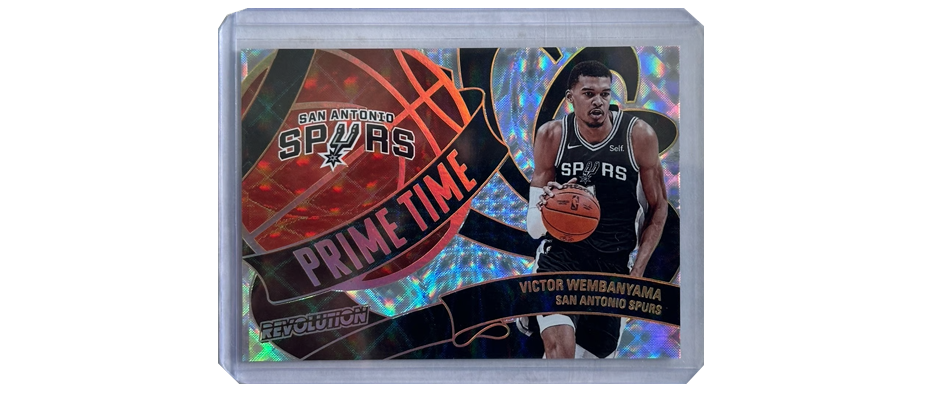
Top loaders present several damage risks. The biggest issue is insertion damage—if you’re not careful sliding the card in, you can nick corners or scratch surfaces. I’ve seen countless Chrome cards with corner dings that happened during insertion. The solution is simple but often ignored: always use cut-corner penny sleeves, which prevent the card corner from catching on the penny sleeve edge during insertion.
Some collectors report concerns about corner peeling or knicking from careless insertion into penny sleeves and top loaders, particularly with chrome and foil cards. This is absolutely real, I’ve damaged cards this way myself. Now I take my time during insertion, and I always cut the corner off penny sleeves for expensive cards.
The open-top design also means cards can slide out if you drop the top loader or store it improperly. I lost a $200 card this way once when a top loader fell off a shelf and the card shot out like a missile. Now I use team bags (resealable plastic bags designed for top loaders) for any card over $50.
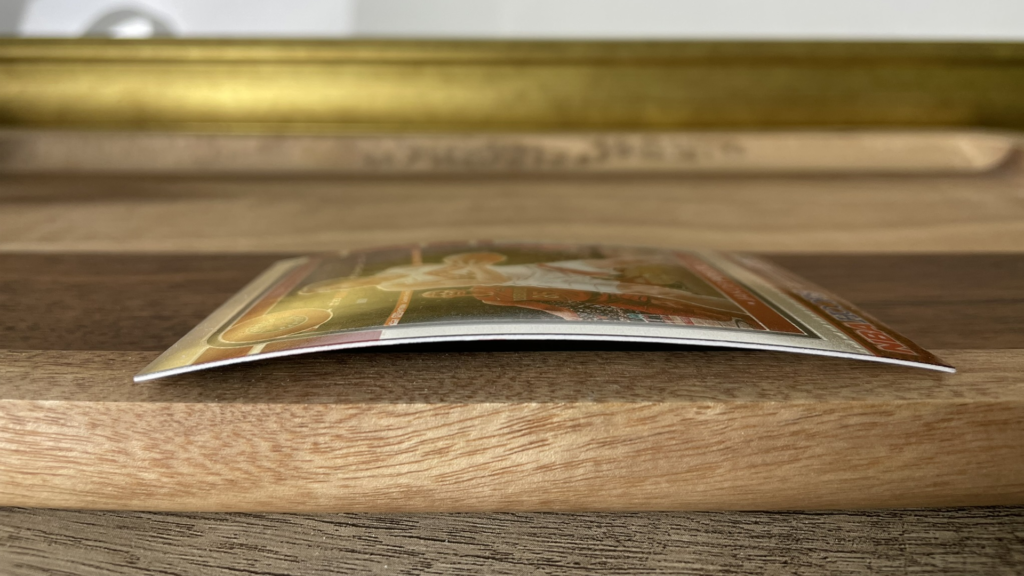
Magnetic holders have their own risks. The main concern is pressure damage. If the magnetic seal is too tight or if the card is slightly warped, the pressure from the magnets can potentially cause indentations or affect autographs. Cards that bow slightly can have their surfaces press against the acrylic for long periods, potentially leading to micro-scratches or imprinting on autographs.
I’ve also seen cases where cheap magnetic holders had rough interior surfaces that scratched cards. This is why brand quality matters enormously with magnetic holders, saving $1 per holder isn’t worth risking a $500 card.
Another issue is magnetic field concerns, though this is mostly theoretical. Some collectors worry about whether strong magnets could affect cards over decades of storage. I haven’t seen any documented cases of this causing problems, but it’s worth mentioning.
The safest approach with magnetic holders is to always use a penny sleeve or Precise-Fit sleeve inside the magnetic holder. This creates a protective barrier between the card and the acrylic, preventing surface contact issues. For thicker cards that sit flat without bowing, this is less critical, but for standard-thickness cards, I always double-protect.
What Are the Cost Differences Between These Protection Options?
Money talks, and the cost difference between these protection methods is substantial. Let me break down the real numbers based on my purchasing experience.
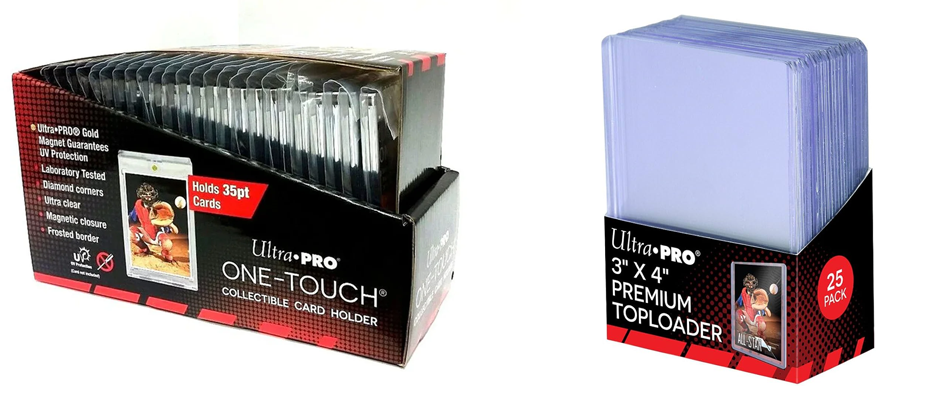
Top loaders are incredibly cheap. You can buy Ultra PRO top loaders for around $0.20-0.30 each when buying in packs of 25, or even cheaper in bulk. Some retailers sell packs of 25 top loaders for under £5 (about $6.25), making them extremely cost-effective. I buy them in cases of 500, which brings the per-unit cost down to about $0.15 each.
Add in penny sleeves (another $0.03-0.05 each) and team bags ($0.10 each), and you’re protecting a card for roughly $0.30-0.40 total. For a collection of 1,000 cards, that’s $300-400 in total protection costs.
Magnetic one-touch holders cost significantly more. Standard 35pt magnetic holders (the most common size) run $1.40-3.00 each depending on where you buy and in what quantity. Collectible Supplies sells boxes of 25 Pro-Mold magnetic holders for $35 ($1.40 each), whilst smaller quantities from places like eBay might cost $2.80 each or more.
Premium brands like Ultra PRO can cost even more. I’ve paid $2.50-3.50 per holder for their higher-end models. Specialty sizes for thick cards (100pt, 180pt, 360pt) cost even more, sometimes $5-8 per holder.
Cost Comparison Table:
| Item | Top Loader Cost | Magnetic Holder Cost |
|---|---|---|
| Holder | $0.20-0.30 | $1.40-3.00 |
| Inner Sleeve | $0.03-0.05 | $0.03-0.05 |
| Outer Protection | $0.10 (team bag) | N/A |
| Total Per Card | $0.33-0.45 | $1.43-3.05 |
| Cost for 100 Cards | $33-45 | $143-305 |
| Cost for 1,000 Cards | $330-450 | $1,430-3,050 |
The cost multiplier is roughly 6-10x, which adds up fast. If I put my entire collection in magnetic holders, I’d spend about $15,000 on holders alone. That’s absolutely insane for most collectors.
The cost difference means collectors typically use magnetic holders for “grails”, personal favourite or most expensive cards, whilst using top loaders for other hits. This is exactly my approach. Cards under $50 go in top loaders, cards over $50 get magnetic holders, and my true grails (over $500) get premium magnetic holders with UV protection.
For most collectors, the hybrid approach makes sense financially. You’re protecting your valuable cards with premium cases whilst keeping costs reasonable for the bulk of your collection.
Which Option Is Better for Display and Presentation?
If we’re judging purely on looks, magnetic holders win by a landslide. There’s simply no comparison.
Magnetic holders are designed with presentation in mind, offering a sleek, clean design that highlights the card inside with crystal-clear plastic that mimics the look of a graded slab. When I display my favourite cards on my shelf, the magnetic holders look absolutely professional. They catch light beautifully, frame the card perfectly, and genuinely look like museum-quality pieces.
Top loaders, whilst functional, look exactly like what they are – basic protection. They work fine for binders or storage boxes, but displayed on a shelf next to magnetic holders, they look cheap and amateurish. The open top is visible, the plastic is thinner and less clear, and they just don’t have that premium feel.
For photography, magnetic holders also excel. When selling cards online or sharing your collection on social media, magnetic holders photograph much better. The clearer acrylic, the flush seal, and the overall presentation just look more impressive. I’ve A/B tested this by photographing the same card in both holders, and the magnetic holder photos consistently look more premium.
However, top loaders have one display advantage: binder compatibility. Top loaders work with specialised toploader binders, allowing collectors to maintain an organised and accessible collection. These binders let you flip through your collection easily, which is brilliant for player collections or set building.
Magnetic holders don’t fit in binders (they’re too thick), so you’re limited to shelf display, display cases, or storage boxes. For collectors who love flipping through binders, this is a significant downside.
My approach is to keep my display-worthy cards in magnetic holders on shelves, whilst my organised player collections stay in top loaders within binders. Best of both worlds.
How Do UV Protection and Long-Term Storage Compare?
Environmental protection is where magnetic holders really show their value, but the differences are more nuanced than you might think.
Most quality magnetic holders include UV protection built into the acrylic. Pro-Mold magnetic holders advertise five years of UV protection, which helps prevent cards from fading if they’re displayed near windows or under lights. I’ve got cards displayed in my office for three years now, and there’s zero colour fading thanks to the UV protection.
Top loaders generally don’t include UV protection unless you buy specialty versions, which cost more. Standard Ultra PRO top loaders are clear plastic without UV blocking. If you’re displaying cards under lights or near windows, this could lead to fading over years or decades.
However, here’s the thing: if you’re storing cards in boxes away from light (which is how most collectors store bulk cards), UV protection doesn’t matter much. The environmental threats in storage are humidity, temperature fluctuations, and physical damage—not UV light.
Both top loaders and magnetic holders, when made from quality materials, offer archival-safe protection. Quality magnetic holders are made of crystal clear acid-free non-PVC plastic with UV protection, making cards safe for long-term storage. The same is true for quality top loaders from brands like Ultra PRO or BCW.
The full seal of magnetic holders does provide better protection against humidity and dust. I store cards long-term in a climate-controlled room, but even with good conditions, cards in top loaders can still accumulate dust over years. Magnetic holders prevent this completely.
For long-term storage without regular handling, both options work well if you use quality products. The magnetic holder’s complete seal provides marginal benefits, but for cards stored in good conditions, those benefits might not justify the 6-10x cost increase.
Where magnetic holders really shine is for displayed cards. If you’re showing off your collection under lights, the UV protection and complete seal make them clearly superior.
Are Magnetic Holders Worth It for Lower-Value Cards?
Let me be blunt: no, magnetic holders generally aren’t worth it for low-value cards, and using them universally would be financially irresponsible for most collectors.
Here’s my rule of thumb: if a card is worth less than 10x the cost of the magnetic holder, it doesn’t make sense to use one. At $1.50-3.00 per magnetic holder, that means cards need to be worth at least $15-30 before magnetic holders become reasonable.
For my collection, I use this tiered system:
Under $20: Standard top loader with penny sleeve. These cards don’t justify premium protection.
$20-50: Top loader with penny sleeve in a team bag. The team bag adds that extra layer of protection without breaking the bank.
$50-200: Magnetic holder with penny sleeve. These cards have enough value to justify the protection upgrade.
$200+: Premium magnetic holder (Pro-Mold or Ultra PRO) with penny sleeve, stored in protective cases. These are my grails and deserve the best protection.
For most collectors, top loaders are the go-to solution for low to mid-range value cards, providing sufficient protection without the expense of magnetic holders. This makes perfect sense economically.
Think about it this way: if you’ve got 500 cards worth $5-10 each, spending $1,000-1,500 on magnetic holders for $2,500-5,000 worth of cards is ridiculous. That money would be better spent on more cards or protecting your truly valuable pieces.
I’ve seen collectors who put everything in magnetic holders to achieve uniform presentation, and whilst I respect that aesthetic choice, it’s not practical for most people. The cost adds up too quickly.
The exception might be player collectors who keep a smaller, focused collection. If you’re only collecting one player and have 50-100 total cards, spending $150-300 on magnetic holders to display your entire collection beautifully might be worth it for the visual impact and enjoyment factor.
What Do Buyers Prefer When Purchasing Cards?
When it comes time to sell cards, protection method can absolutely affect buyer confidence and, sometimes, the price you receive.
From my experience selling hundreds of cards online, high-value cards (over $200) in magnetic holders consistently generate more buyer confidence. The magnetic holder signals to potential buyers that you’ve taken the card seriously and protected it properly. I’ve had multiple buyers specifically comment positively on receiving cards in magnetic holders.
For mid-range cards ($50-200), protection method matters less to buyers. They care more about the card’s actual condition than whether it arrives in a magnetic holder or top loader. I’ve sold plenty of cards in both formats at full market value.
For lower-value cards (under $50), buyers honestly don’t care. They’re buying the card, not the holder. In fact, some buyers prefer top loaders for cheaper cards because they’re easier to add to their existing storage systems.
However, shipping protection is where magnetic holders really matter. When I sell expensive cards, I always ship in magnetic holders even if the card was stored in a top loader. Buyers appreciate the extra protection during transit, and it significantly reduces the chances of damage complaints.
PSA’s stance on protection methods is worth noting. PSA advises against submitting cards in top loaders, hard acrylic cases, or screw-down holders, noting that submissions received in these types of cases will experience delays and won’t be returned. They prefer Card Savers (semi-rigid holders) for submissions.
This doesn’t mean top loaders or magnetic holders are bad, it just means PSA has specific requirements for their submission process. If you’re sending cards for grading, you’ll need Card Savers regardless of how you normally store them.
For resale value, presentation matters more for higher-end cards. When listing a $500 card, I always photograph it in a magnetic holder because it looks more professional. The listing photos showing a card in a premium holder signal quality and serious collecting, which can justify asking full market price or even slight premiums.
Which Brands Make the Best Magnetic Holders and Top Loaders?
Brand quality varies dramatically, and buying cheap holders to save money can end up costing you more in damaged cards.
For top loaders, Ultra PRO is the gold standard. They’ve been making card protection supplies since 1951, and their top loaders are consistently clear, properly sized, and made from acid-free materials. I’ve used thousands of Ultra PRO top loaders without issues. They cost slightly more than generic brands but are worth every penny.
BCW is another excellent top loader brand. Their products are comparable to Ultra PRO in quality but sometimes run a bit cheaper. I use BCW top loaders for bulk storage where cost matters more, and I’ve been satisfied with the quality.
Avoid no-name brands from random sellers on Amazon or eBay. I once bought 1,000 “top loaders” for an unbelievably low price, and they were cloudy, had rough edges, and didn’t fit cards properly. Complete waste of money.
For magnetic holders, Ultra PRO again leads the pack. Their one-touch magnetic holders are the industry standard, with excellent build quality, clear acrylic, and reliable magnetic closures. They offer multiple sizes from 35pt up to 360pt for thick cards. I’ve been using Ultra PRO one-touches for years without problems.
Pro-Mold has emerged as a strong competitor to Ultra PRO. Pro-Mold’s magnetic holders are just as sturdy and more innovative than Ultra PRO, coming at a better price point. I’ve tested Pro-Mold extensively, and they’re excellent—clear, well-constructed, and about 20-30% cheaper than comparable Ultra PRO models.
Display Zone is another solid option, particularly for bulk purchases. They offer good quality at competitive prices and include UV protection in their magnetic holders.
Product Recommendations:
Top Loaders:
- Ultra PRO 3×4 Top Loaders (best overall quality)
- BCW 3×4 Top Loaders (best value)
- Ultra PRO Penny Sleeves (essential companion)
Magnetic Holders:
- Pro-Mold 35pt Magnetic One-Touch (best value)
- Ultra PRO One-Touch Magnetic Holder (premium quality)
All of these products are available on Amazon, and I’ve included links in my best sports card supplies store. For bulk purchases, check dedicated supplies retailers like Collectible Supplies or BCW direct, where prices drop significantly when buying cases.
One final tip: always buy from reputable sellers. Counterfeit Ultra PRO products exist, and they’re terrible quality. Stick with authorised retailers or the manufacturer’s website.
Choosing the Right Protection for Your Cards
After years of collecting and thousands of dollars spent on card protection, I’ve learnt that the “magnetic holders vs. top loaders” debate isn’t about which is objectively better, it’s about matching protection level to card value and your personal collecting goals.
The fundamental principle is simple: use top loaders for everyday cards and bulk storage, reserve magnetic holders for cards you truly care about. This hybrid approach balances cost, protection, and presentation without breaking the bank.
For me, magnetic holders are worth it for cards over $50, especially cards I plan to display. The superior protection, UV resistance, and professional presentation justify the extra cost. For everything else, quality top loaders with penny sleeves provide excellent protection at a fraction of the price.
Don’t let social media convince you that every card needs to be in a magnetic holder. The collectors posting shelf photos of 500 cards in magnetic holders either have massive budgets or significantly smaller collections than you might think. Most serious collectors use a tiered protection system based on card value.
Remember that protection is an investment in your collection’s longevity. Spending $200 on magnetic holders for your top 100 cards might seem expensive, but it’s a bargain compared to losing value through damage or fading. Choose wisely, protect what matters, and don’t stress about having uniform protection across your entire collection.
What’s your approach to card protection? Are you team magnetic holder, team top loader, or somewhere in between? Drop a comment below and share your thoughts—I’m always interested in hearing how other collectors balance cost and protection.
The joy of this hobby is constantly improving your collection’s protection as values increase. Happy collecting!